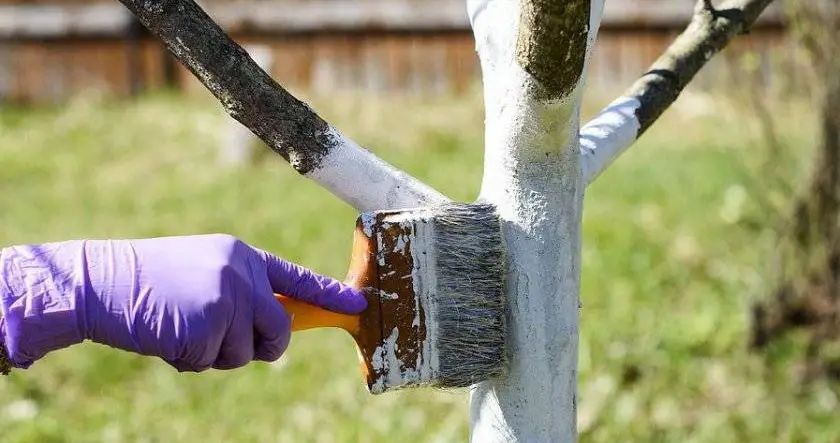
Spring is a critical time for fruit trees as they emerge from winter dormancy. One essential practice for protecting them is whitewashing the trunks and branches. This process safeguards trees from sunburn, pests, and fungal diseases, ensuring their health and vitality for the growing season.
Advantages of Spring Whitewashing
- Sunburn Protection: The white coating reflects sunlight, preventing the bark from overheating and cracking due to excessive sun exposure.
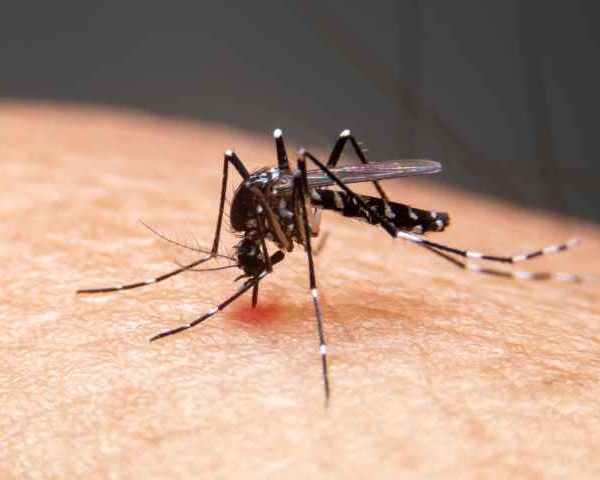
- Pest Control: The whitewash makes pests, which may be hiding in bark cracks, more visible and easier for birds to spot.
- Fungal Disease Prevention: Whitewashing helps to kill fungal spores and reduces the risk of infection by creating an inhospitable environment for fungi.
Variants of Solutions for Bleaching Trees
Classic Recipe
- 10 liters of water
- 3 kg of slaked lime or chalk
- 500 g of copper sulfate
- 100 g of casein glue
With Clay and Manure
- 10 liters of water
- 2 kg of slaked lime
- 1 kg of fat clay
- 1 shovelful of manure
- 250 g of copper sulfate
With Stationery Glue and Karbofos
- 2 liters of water
- 300 g of lime
- 2 tbsp. of copper sulfate
- 200 g of stationery glue
- 200 g of clay
- 25 g of karbofos
Stages of Tree Bleaching
1. Preparation
- Clean the Surface: Remove dirt, moss, and lichen from the bark. A clean surface ensures that the whitewash adheres effectively and provides better protection.
2. Timing
- Optimal Period: Apply the whitewash in late February or early March, before the buds start to open. This timing provides the best protection against environmental stress.
3. Applying the Solution
- Application Method: Use a brush or roller to apply the solution. Apply 2-3 layers to ensure complete coverage and protection. Make sure to evenly distribute the solution over the entire trunk and branches.
4. Adding a Fungicide
- Prevent Fungal Diseases: Consider adding a fungicide to the solution to further protect against fungal infections and keep the trees healthy.
Important Tips
- Weather Conditions: Avoid whitewashing in frosty or rainy weather to ensure proper adherence and effectiveness.
- Safety Precautions: Wear protective gloves and goggles to avoid contact with the solution.
- Young Seedlings: Do not whitewash young seedlings with delicate bark, as they are more prone to damage.
Conclusion
Spring whitewashing is a vital step in fruit tree care, helping to shield trees from sun damage, pests, and diseases. By following these guidelines and using the appropriate solutions, you’ll enhance the health and productivity of your garden. Proper whitewashing not only protects your trees but also sets the stage for a successful growing season.
Show Comments