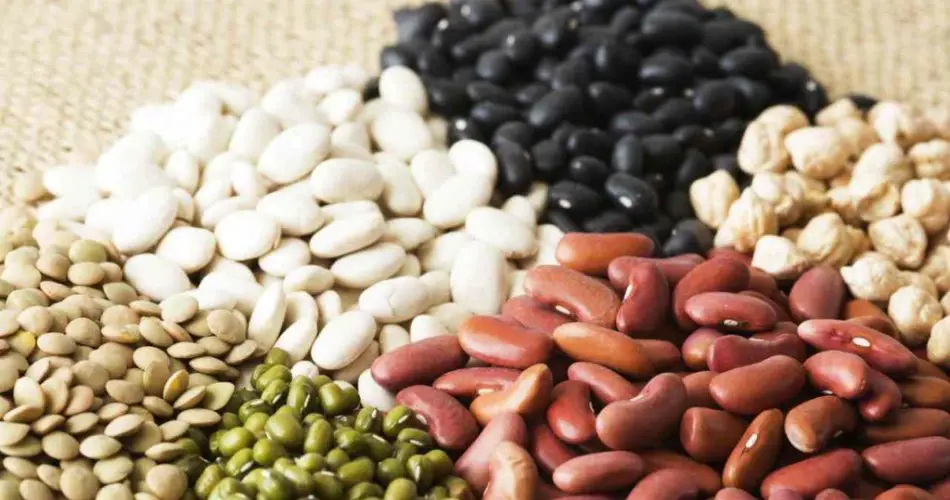
If you’re a fan of legumes, you’re about to discover a foolproof trick that will make them much easier to digest and lighter on the stomach. Say goodbye to uncomfortable bloating and hello to enjoying all the benefits these nutritional powerhouses have to offer.
The Benefits of Eating Legumes
Legumes are packed with fiber, protein, and mineral salts, making them an essential part of a balanced diet. They promote good health and provide numerous benefits to the body. However, many people experience abdominal discomfort after eating them, such as bloating.
This happens because, despite their health benefits, legumes can sometimes be challenging to digest. Fortunately, a few simple tricks can solve this issue and allow you to enjoy legumes without worrying about the aftereffects.
The Key to Super Digestible Legumes
The first and most important step is soaking the legumes before cooking them. Soaking helps remove indigestible substances that often cause bloating.
Here’s how to do it:
- Soaking times vary depending on the type of legume:
- Peas and lentils: 2-3 hours
- Chickpeas and beans: At least 8 hours
- After soaking, rinse the legumes thoroughly under running water to remove any impurities.
The Role of Cooking and Seasoning
Proper cooking times are just as important. Cooking legumes too quickly can make them harder to digest. To make them even lighter:
- Add spices like cumin or turmeric during cooking. These not only enhance the flavor but also aid digestion.
If you’re using pre-cooked legumes, be sure to rinse them well before eating, as they may contain impurities or preservatives that can burden your stomach.
Food Pairing Matters
While legumes are highly nutritious, combining them with certain foods can hinder digestion. For instance:
- Avoid pairing them with raw vegetables like cucumbers, carrots, or tomatoes. These contain oxalic acid, which binds to the mineral salts in legumes and forms indigestible crystals.
- Skip pairing them with cow’s milk, as its protein, casein, slows the digestion of legumes’ amino acids. Instead, opt for plant-based milk or other protein sources like lean meat or eggs.
- Be cautious about combining legumes with white rice, as both contain starch, which can be heavy on the stomach.
Legumes: A Nutritional Powerhouse
Among legumes, lentils are particularly rich in nutrients and should be included in your diet. However, proper preparation and pairing are essential to reap their benefits without digestive discomfort.
Goodbye Bloating, Hello Comfort
By following these simple tips—soaking, proper cooking, careful rinsing, and smart food pairing—you’ll be able to enjoy legumes without worrying about bloating or other digestive issues.
Now, you can fully embrace the incredible benefits of these nutrient-dense foods and incorporate them into your meals with confidence.