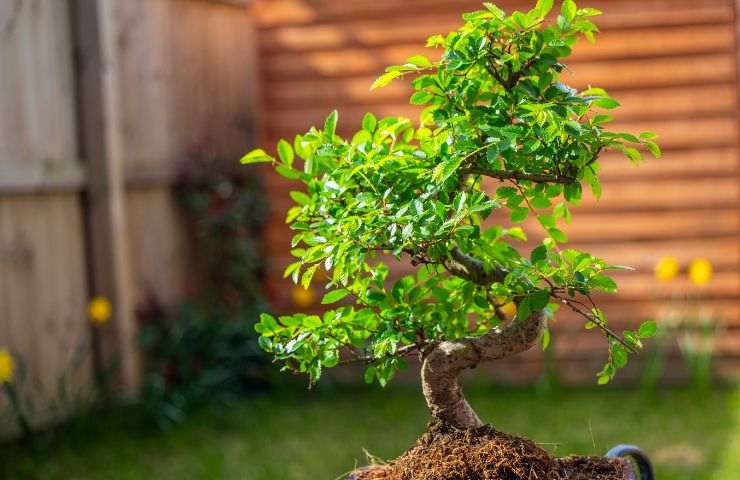
The Elm Bonsai is a miniature masterpiece of nature, combining beauty and serenity with the timeless art of bonsai cultivation. While many think growing a bonsai is difficult, the Elm Bonsai proves otherwise, as it thrives even outdoors with the right care.
Let’s explore everything you need to know to grow and nurture this stunning outdoor plant, ensuring it flourishes with elegance and grace.
The Magic of Bonsai
Bonsai trees are miniature trees, steeped in tradition and Eastern philosophy, originally from Japan. They symbolize harmony, patience, and balance, making them not just plants but living art forms. The Elm Bonsai, in particular, is one of the most rewarding species to grow, with its delicate branches, lush leaves, and natural elegance.
How to Grow an Elm Bonsai: Step-by-Step Guide
Growing an Elm Bonsai requires attention, patience, and love. Follow these essential tips to ensure your bonsai thrives and becomes a centerpiece of beauty:
1. Bonsai Selection
Choose a healthy Elm Bonsai with:
- Well-developed roots
- A sturdy trunk
- A balanced branching structure
- Small, proportionate leaves
Select a tree that resonates with you and inspires you to care for it.
2. Light Exposure
Place your Elm Bonsai in a well-lit area with indirect sunlight. Avoid direct, harsh sunlight or exposure to extreme temperatures and drafts. This plant thrives in balanced lighting, whether indoors or outdoors.
3. Watering
Proper watering is crucial:
- Keep the soil moist but not waterlogged.
- Check soil moisture regularly.
- Adjust watering frequency based on the plant’s needs and environmental conditions.
4. Pruning
To maintain the desired shape and size of your bonsai:
- Remove dead or damaged branches.
- Prune branches growing in undesirable positions.
- Use clean, sharp tools to avoid injuring the plant.
Regular pruning ensures a harmonious and healthy growth pattern.
5. Fertilization
Fertilize your Elm Bonsai during its growing season with a bonsai-specific fertilizer, diluted according to instructions. Be careful not to over-fertilize, as this can damage the plant.
6. Winter Rest
During the winter months, the Elm Bonsai enters a dormant state:
- Reduce watering frequency.
- Protect it from frost and extreme cold by placing it in a sheltered area or using covers.
7. Pests and Diseases
Monitor your bonsai regularly for signs of pests or diseases. Act promptly to address any issues, using natural treatments when possible to eliminate pests without harming the plant.
Why Choose the Elm Bonsai?
The Elm Bonsai stands out for its:
- Graceful beauty
- Versatility as an indoor or outdoor plant
- Ability to bring peace and harmony to any space
Caring for this bonsai is not just about gardening—it’s a meditative process that connects you with nature and allows you to create an evolving piece of living art.
Final Thoughts
By following these care tips, your Elm Bonsai will grow strong and healthy, becoming a source of pride and tranquility. Growing a bonsai is a journey of patience and dedication, but the rewards are worth every effort.
Embrace this ethereal plant, and watch as it transforms your garden or home into a serene, artistic space. Happy bonsai growing!