Albizia is a remarkable plant, both for its exotic beauty and its impressive range of properties. Have you ever heard of this stunning tree and the secrets it holds? Let’s explore the fascinating world of Albizia and its surprising benefits.
What is Albizia?
The Albizia genus includes over 100 species of deciduous trees and shrubs—plants that shed their leaves once their purpose is fulfilled. This genus owes its name to Philip Albizia, an 18th-century naturalist who first introduced these plants to Europe from Constantinople. For this reason, Albizia is often referred to as the “Constantinople acacia.”
Origins and Appearance
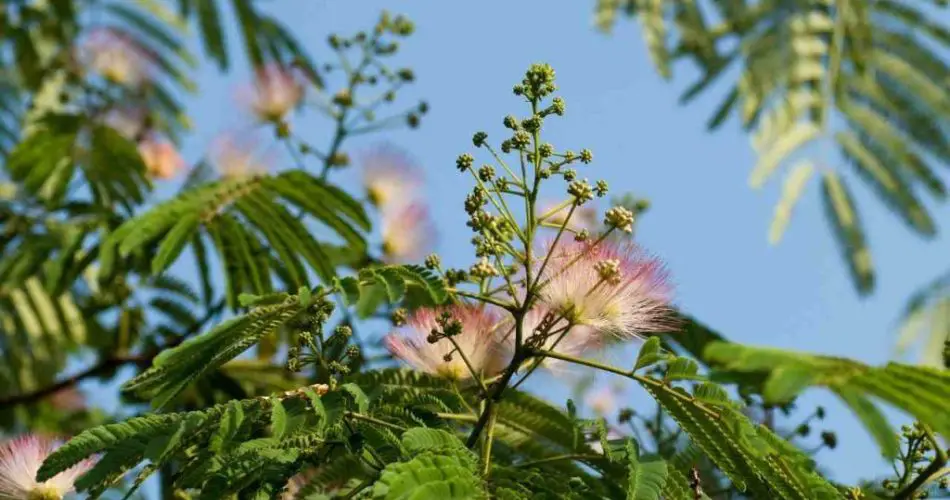
Native to Iran, Albizia has spread across the Middle East and into Turkey. Its exotic charm lies in its umbrella-shaped green canopy, fragrant pastel-colored flowers, and bean pod-like fruits that ripen in autumn.
Different varieties of Albizia have varying levels of cold tolerance and flower colors:
- Albizia julibrissin: Features white flowers and tolerates temperatures as low as -15°C.
- Albizia umbella: Boasts crimson flowers and withstands up to -17°C.
- Albizia rosea: The most common variety, with cyclamen-colored flowers, tolerating temperatures down to -22°C.
How to Care for Albizia
Albizia is a favorite ornamental plant, blooming from June to August and thriving in gardens and parks. Surprisingly, caring for this exotic shrub is straightforward:
- Planting:
- In mild climates, plant Albizia in winter.
- In colder areas, plant in March, after the frost danger has passed.
- Avoid pots, as the plant requires ample space to grow.
- Positioning:
- Choose sunny, wind-sheltered areas for planting.
- Soil Requirements:
- Albizia prefers light, loose, slightly acidic soils with good drainage.
- Watering and Fertilizing:
- Rainwater is usually sufficient, but water every 15 days during droughts.
- Use slow-release granular fertilizer in late winter.
- Pruning:
- Trim branches in late winter to shape the canopy and remove dry or damaged wood.
Albizia’s Medicinal Properties
Beyond its beauty, Albizia is a medicinal herb with a variety of health benefits. It can address issues such as:
- Anxiety, depression, and insomnia
- Cancer-related symptoms
- Sore throat and swelling from trauma
- Improved mood and digestive problems
When applied to the skin, it helps treat insect bites, boils, ulcers, fractures, and sprains.
How to Use Albizia
Here are common ways to benefit from this versatile plant:
- Liquid Extract:
- Made from the bark, it has balancing properties. Available in herbal stores or pharmacies.
- Dry Extract:
- Capsules or tablets to be taken with breakfast.
- Infusion:
- Ideal for digestive issues. Boil a cup of water, add a teaspoon of dried leaves, and steep for 10 minutes.
- Decoction:
- Useful for skin blemishes. Steep a spoonful of dried leaves in boiling water, cool, and apply to the affected area.
Note: Always follow the dosage on the product packaging or consult a doctor for guidance.
Conclusion
Albizia is truly a plant with a thousand surprises. Whether you’re drawn to its exotic beauty, low-maintenance care, or its impressive medicinal uses, this tree proves itself to be more than just a garden decoration—it’s a gift of nature with extraordinary benefits.