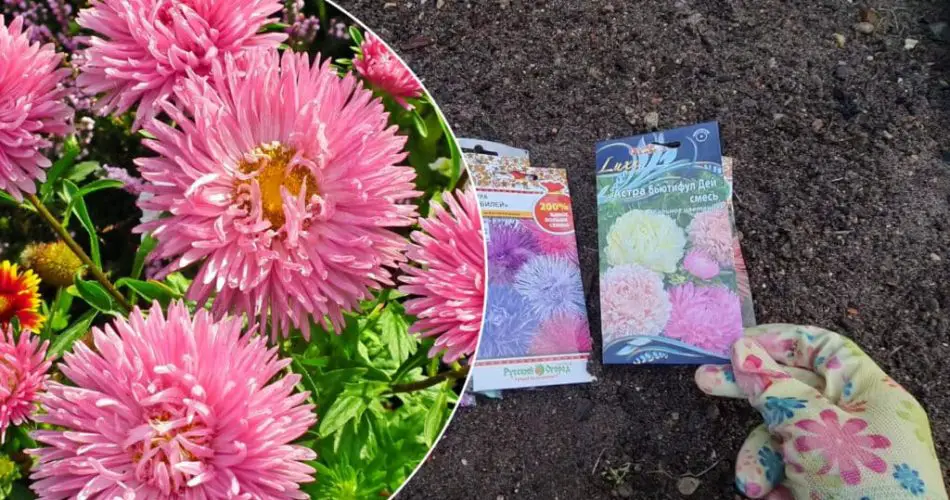
Many gardeners opt to sow asters in winter to achieve earlier spring blooms, typically 2-3 weeks ahead of usual. This technique not only promotes early flowering but also enhances disease resistance, as winter-sown asters tend to be more robust compared to those planted in spring or started from seedlings. Additionally, winter sowing can save valuable time in the spring.
Steps for Successful Winter Sowing:
- Prepare the Site and Soil: Choose a well-lit location with loose, fertile soil. Enrich the soil by adding humus and a bit of superphosphate. Dig the area thoroughly and create furrows about 2 cm deep. Sprinkle wood ash on top, then cover the area with plastic film and wait for frost to set in.
- Sow the Seeds: Once persistent frosts have arrived, sow the aster seeds directly into the frozen ground. Press the seeds into the soil and cover them lightly. This method will help produce robust and beautiful asters that will be ready to bloom in early spring.
By following these guidelines, you can enjoy vibrant, early-blooming asters next year.