When planting garlic, it’s important to remember that you should never use ash directly in the planting beds. While ash is often considered an excellent fertilizer for many plants, it can actually harm garlic.
1. Ash as a Fertilizer: Not for Garlic
Ash is typically used in soils with an alkaline environment, providing beneficial nutrients such as phosphorus and potassium that support plant growth. However, when it comes to garlic, it’s essential to avoid planting it directly on an ash layer.
2. What Happens If You Plant Garlic on Ash
If you plant garlic cloves directly onto a layer of ash, the root system of the garlic will get burned. This can result in poor growth, and in the spring, the garlic sprouts will appear yellow, signaling damage to the plant. Additionally, the garlic head itself will not grow large or healthy, leading to disappointing yields.
3. How to Use Ash Correctly
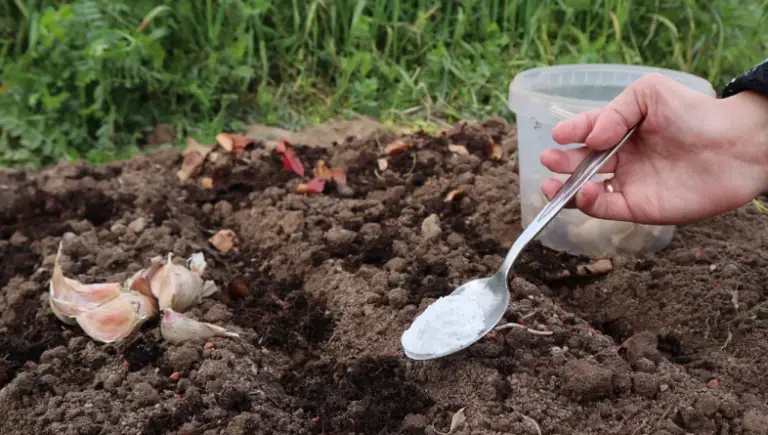
Although ash contains valuable nutrients, it must be mixed with the soil in equal proportions before planting garlic. After mixing, you can add a layer of sand on top and then plant the garlic cloves. This ensures that the garlic roots are not exposed to the harmful effects of concentrated ash.
By properly mixing ash with soil, you can still reap its benefits while avoiding damage to your garlic plants.