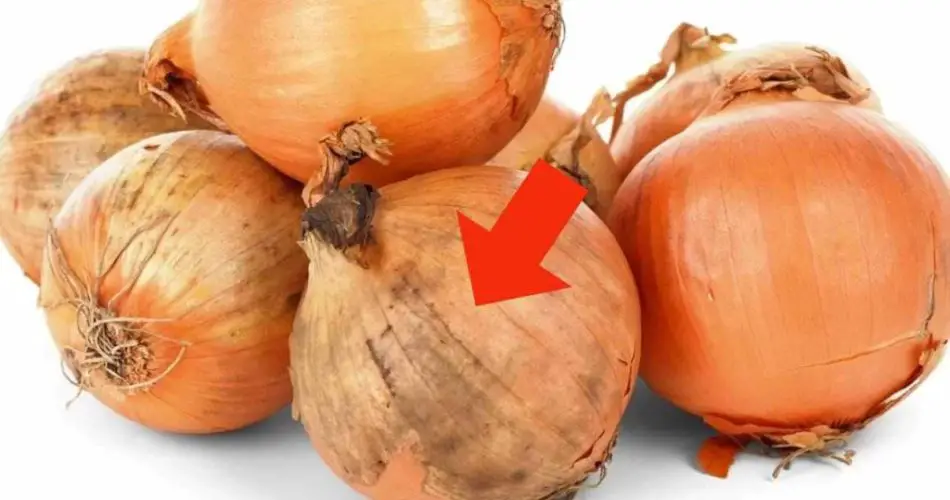
When it comes to Italian cuisine, onions are a staple ingredient that adds depth and flavor to countless dishes. However, one aspect that often raises concerns is the presence of black spots on onions.
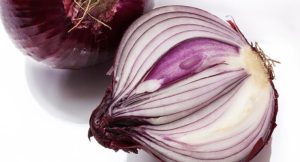
Onions, with their strong taste and versatile uses, are a kitchen essential in Italy. Whether finely chopped for sauces, grilled on a barbecue, or boiled, onions play a central role in many culinary creations. Despite their ubiquity, encountering black spots on onions can give pause and prompt questions about their safety and quality.
The appearance of black spots on onions is not uncommon, and understanding their nature is crucial in determining whether the onion is still usable or should be discarded. These spots are typically caused by Aspergillus niger, a common fungus found in soil. However, the presence of this fungus does not necessarily render the onion inedible.
When selecting onions, it’s essential to examine their appearance closely. Opt for onions that are firm with a dry outer layer, indicating freshness and quality. However, even in well-maintained storage conditions, black spots may develop over time, whether in the supermarket or at home.
If you notice black spots on an onion, it’s essential to assess its condition by smell. A typical onion odor indicates that the onion is still safe to use, even with black spots present. Simply remove the affected area, thoroughly wash the onion, and proceed with your recipe as planned.
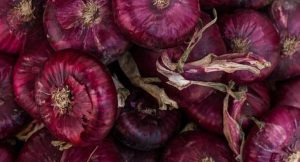
On the other hand, if the onion emits a foul or rotten smell, it’s best to discard it, as this indicates spoilage beyond salvaging. Expert opinion, such as that of Dr. Hassan Gourama, confirms that onions with recoverable mold, such as those with black spots, can be safely consumed after removing the affected portions and washing them thoroughly.
In conclusion, while black spots on onions may give cause for concern, they do not necessarily render the onion unusable. By relying on sensory cues such as smell and exercising proper food safety practices, you can confidently salvage onions with black spots and continue to enjoy their culinary versatility.