Parsley, a staple herb in many kitchens, is indispensable for adding flavor to various dishes. To ensure a steady supply of this aromatic herb at home, you can turn to a method known as the spring method.

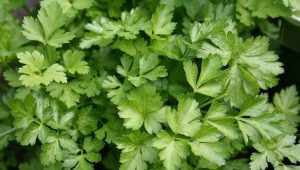
Parsley, belonging to the Petroselinum crispum species, thrives in regions with mild climates, particularly throughout the Mediterranean. It comes in two main varieties: curly-leaved and broad-leaved, each offering a slightly different flavor profile. Rich in vitamins, minerals, beta-carotene, and flavonoids, parsley boasts numerous health benefits, including antioxidant properties, immune system support, and digestive aid.
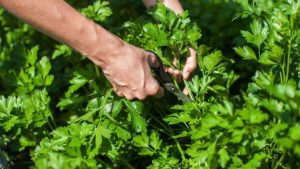
Growing parsley in pots is straightforward. Choose a large pot to accommodate its deep-rooting system and ensure it receives ample sunlight in a temperate environment. Scatter parsley seeds evenly in the pot and cover them with soil, keeping the soil moist until germination. Watering should be done in small doses daily, and periodic weeding is necessary to maintain a healthy environment for growth. Harvesting can typically begin about seventy days after sowing, with leaves easily preserved by drying and storing in airtight containers.
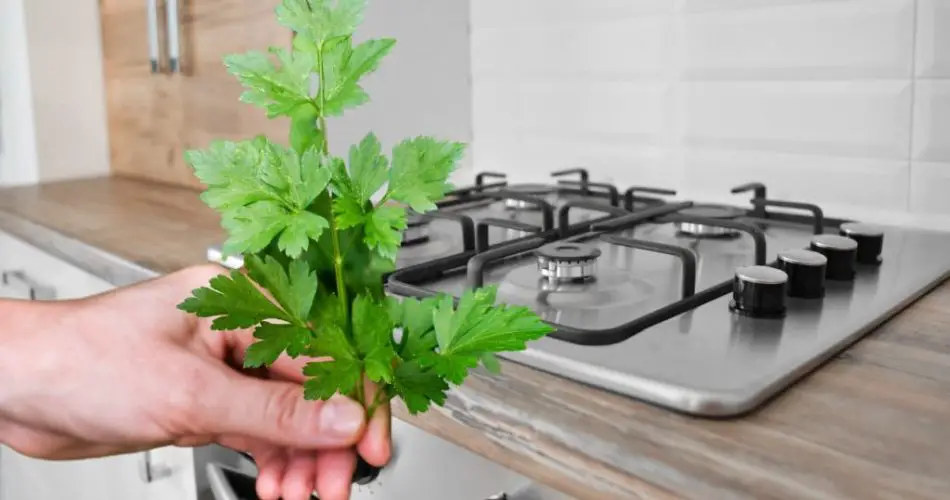
For those looking to multiply their parsley plants, the sprig method offers a simple solution. Select a four-centimeter sprig with a healthy tuft of green leaves and remove any leaves at the base. Place the sprig in a container filled with water or bury it in a mixture of sand and peat, ensuring it receives indirect sunlight in a well-lit area. Spring or late summer is ideal for rooting, with temperatures around twenty degrees Celsius fostering optimal growth. Within weeks, robust roots will emerge, signaling readiness for transplantation into soil or pots.
To ensure the continued health and longevity of the parsley plant, provide well-drained soil composed of peat and clay to prevent water stagnation. Maintain moisture levels by watering daily, and soon you’ll enjoy a bountiful supply of fresh parsley to enhance your culinary creations.