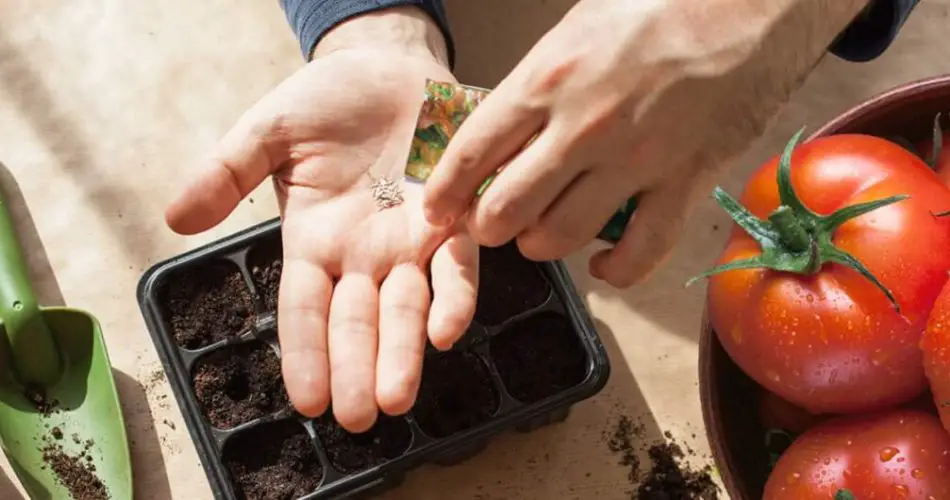
As the new gardening season approaches, February presents an excellent opportunity to start growing seedlings for an early harvest. Even though winter’s frost may still be a concern, this month is ideal for sowing a variety of vegetable and flower crops to get a head start on the growing season. Here’s a detailed guide on what to sow in February to ensure a productive and vibrant garden.
Vegetables to Sow in February
For a bountiful harvest, start sowing the following vegetables in February:
- Early February:
- Pepper: Start pepper seeds indoors to get a jump on the growing season. Peppers need a long growing period, so early sowing is beneficial.
- Eggplants: Eggplant seeds should be started indoors to give them plenty of time to mature before the outdoor growing season.
- Asparagus: Sow asparagus seeds early to give them a head start. Asparagus takes a couple of years to establish, so starting now helps ensure a productive future harvest.
- Mid-February:
- Cabbage: Cabbage seeds sown now will yield strong seedlings for transplanting in the spring.
- Celery: Celery requires a long growing season, so start celery seeds early to get well-established plants.
- Green Onions: Green onion seeds can be sown indoors to ensure a steady supply of fresh greens.
- Late February:
- Tomatoes: Start tomato seeds indoors to give them a head start. Tomatoes benefit from a longer growing period, so early sowing is key.
- Cucumbers: Cucumber seeds can be started indoors for an earlier harvest, but they will need to be transplanted outdoors after the danger of frost has passed.
- Zucchini: Sow zucchini seeds indoors for an early start. Zucchini grows quickly and will be ready for harvest sooner.
- Leaf Cabbage: Leaf cabbage can be started now to ensure an early and abundant harvest.
Flowers to Sow in February
For a beautiful garden, February is a great time to start sowing flower seeds. Before sowing, it is recommended to sterilize the substrate by roasting or steaming it at temperatures between 100 to 130 degrees to prevent the growth of harmful bacteria.
Consider sowing the following flowers:
- Viola: Viola seeds can be sown in February for early spring blooms. They are hardy and can handle the cooler temperatures.
- Chrysanthemum: Start chrysanthemum seeds now to enjoy their vibrant colors later in the season.
- Lavender: Lavender seeds need a long growing period to establish, so early sowing is crucial for a successful harvest.
- Salvia: Salvia seeds should be started early to ensure robust plants for summer blooming.
- Petunia: Petunia seeds require an early start to develop into strong plants that will thrive in warmer weather.
- Delphinium: Sow delphinium seeds early for towering blooms that will make a statement in your garden.
Getting Started
By following this sowing calendar, you can give your garden a head start and ensure an abundant harvest and a vibrant garden. Don’t wait for the first signs of spring—start sowing now to enjoy the fruits of your labor and a garden full of beautiful flowers. Happy planting and here’s to a successful gardening season ahead!