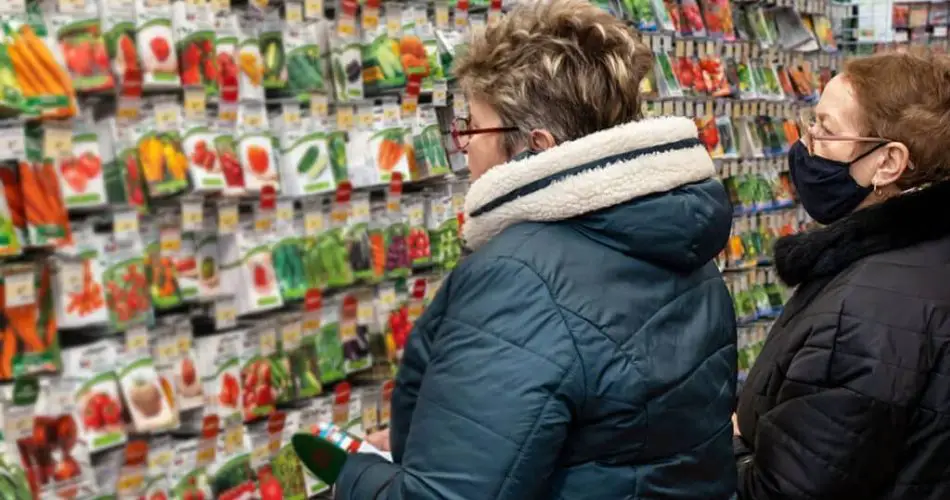
Selecting quality seeds is crucial for a successful gardening season, yet many gardeners make common mistakes even before they start sowing. These errors often stem from purchasing seeds from unreliable sources or being swayed by advertising gimmicks. To ensure you get the best results, here are four essential tips to guide you in choosing the right seeds for your garden:
1. Check Your Leftovers
Before you head out to buy new seeds, take the time to check your existing stock. Ensure you have enough seed from previous years and assess its viability. Seed viability can diminish over time, especially if the seeds haven’t been stored properly. Factors like storage conditions and expiration are crucial—seeds stored in a cool, dry place last longer and maintain better germination rates.
2. Plan Your Plantings
Creating a planting plan is vital before purchasing new seeds. A detailed plan helps you avoid unnecessary expenses and ensures you have adequate space for each type of crop. Consider what you want to grow and how much space each plant requires. This strategic planning helps prevent the overbuying of seeds and ensures a more organized and productive gardening season.
3. Consider Pollination Method
Understanding the pollination method of the plants you wish to grow is key. For example, self-pollinating varieties are ideal for balconies or greenhouses where natural pollinators might be scarce. Selecting the right pollination method ensures better fruit set and overall yield, tailored to your specific growing conditions.
4. Assess the Growing Season
Each crop has a specific growing season and may have varying requirements based on climatic conditions. Before purchasing seeds, research the length of the growing season for the crops you want and ensure they are suitable for your region’s climate. This consideration helps you choose varieties that will thrive and produce a bountiful harvest.
Additional Consideration: Expiration Date
Always check the expiration date of the seeds you’re considering. Expired seeds can have reduced germination rates and may not grow as expected. Keeping an eye on this detail ensures you invest in fresh seeds that will give you the best chance for a successful garden.
By following these tips, you can avoid common pitfalls and make informed decisions when selecting seeds. This preparation will set you up for a successful harvest season and a flourishing garden. Happy planting!