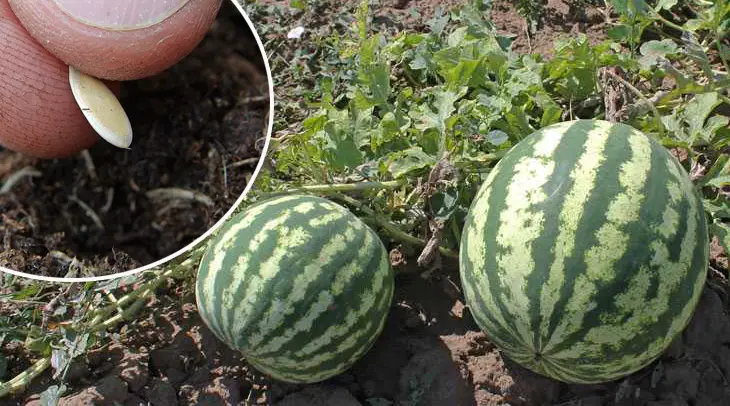
Breeders have developed incredible varieties of plants that thrive in conditions once thought impossible. For instance, modern gardeners can now grow watermelons in Siberia without a greenhouse. However, certain cultivation peculiarities must be considered, as northern regions present challenges like insufficient sunlight, cool temperatures, and a short growing season.
Rule 1: Plant Watermelons Correctly
One of the main issues in northern climates is the low soil temperature, which complicates watermelon growth. The right planting technique can help mitigate this problem. Using green grass around the roots can warm the soil, and as the grass decomposes, it releases nitrogen, essential for plant growth. However, limit nitrogen fertilization after planting to avoid issues. Additionally, avoid planting watermelons in heavy soil that restricts oxygen access to the roots. Instead, dig a hole and fill it with a mix of compost and sand.
Rule 2: Feed Watermelons with Potassium
The yield and quality of watermelon fruits depend on adequate potassium fertilization. Begin fertilizing regularly from the second week after transplanting seedlings into the ground. A natural fertilizer like wood ash is effective; soak it overnight in a bucket of water and use it to nourish your watermelons.
Rule 3: Properly Water Watermelons
Watermelons require regular and abundant watering, especially during the fruiting period, to ensure proper fruit size and quality. However, once watermelons stop growing, reduce watering to allow the fruit to accumulate dry matter, enhancing their sweetness and flavor.
By following these three essential rules, you can grow large, sweet watermelons in your garden. Happy gardening!