Growing cabbage can be a rewarding process, and it’s possible to do so successfully at home. Cabbage is packed with vitamins and can be stored throughout the winter. However, like other plants, specific rules must be followed to ensure a good crop of white cabbage.
How to Grow Cabbage: Tips and Recommendations
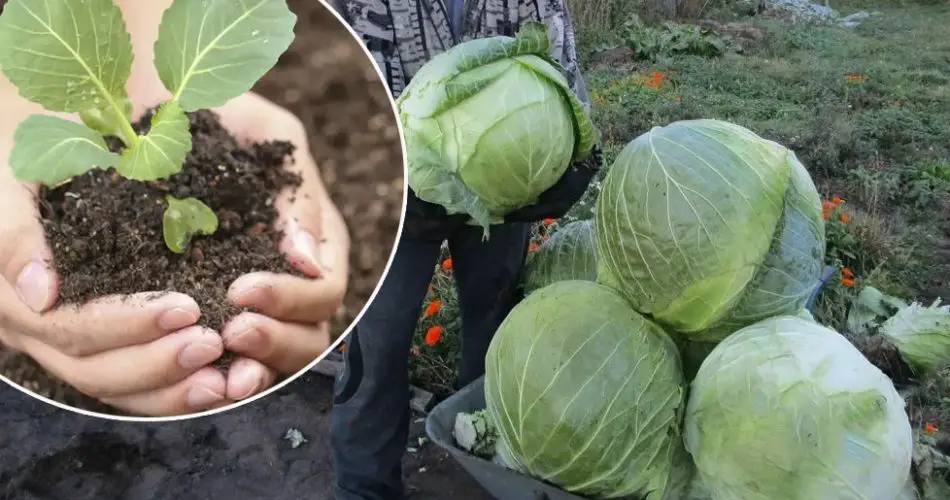
Cabbage cultivation begins with seeds, which develop into seedlings before being planted in open ground. For early varieties, sow seeds in March; for mid-ripening varieties, at the end of March; and for late varieties, in April. Transplant seedlings into the soil after 45-50 days when they reach a height of 12-20 cm and have 5-7 leaves.
Cabbage care includes regular watering—but be careful not to overwater. It’s best to water seedlings daily for the first week after transplanting, then every three days. For a bountiful harvest, add humus, eggshells, mustard, and superphosphate to the planting hole. Fertilizers can be applied two weeks after planting.
To avoid pests, spray cabbage with an onion infusion and avoid planting it near cruciferous flowers. Early ripening varieties yield their first harvest one and a half to two months after transplanting.
How to Grow Cabbage Without Seedlings: Tips and Life Hacks
If you prefer not to start with seedlings, you can sow cabbage seeds directly in open ground. Fill holes with loose soil to a depth of about 2 cm, placing several seeds 40-60 cm apart, depending on the variety. It’s advisable to prepare the soil in advance by mixing compost and wood ash.
To create a greenhouse effect, cover the sowing area with a plastic bottle. This method works well for early and mid-season cabbages, while broccoli and cauliflower require consistently warm weather.
For best results, choose fresh seeds. Before planting, keep them in a damp cloth for a day at 20 degrees to encourage germination.
By following these tips, you can grow healthy, robust cabbage in your garden!