To keep your geraniums blooming beautifully when spring arrives, proper winter preparation is crucial. Geraniums, like many plants, enter a resting period from December to March, making it essential to care for them appropriately during this time. Follow these five important steps to prepare your geraniums for the winter and ensure they flourish in the spring.
1. Maintain Optimal Air Temperature
Geraniums need to be in a warm environment to thrive. During winter:
- Avoid Temperatures Below +6°C: Ensure the temperature does not drop below this level. Geraniums are sensitive to cold and may suffer if exposed to low temperatures.
- Ideal Temperature Range: Aim for a temperature between 10°C and 15°C. This range provides the best conditions for the plant to remain healthy during its rest period.
2. Provide Adequate Light
Despite the reduced daylight in winter, geraniums still need sufficient light:
- Supplement with Phytolamps: If natural light is insufficient, consider using phytolamps to provide the necessary amount of light. This helps prevent the plant from becoming leggy and supports its overall health.
3. Regulate Watering
Watering needs to be adjusted for the winter months:
- Reduce Watering Frequency: Geraniums require less moisture during their resting period. Water your plant approximately once a week, allowing the soil to dry out between waterings.
4. Care for the Plant’s Appearance
Regular maintenance is essential to keep your geraniums in good shape:
- Monitor Plant Health: Check the condition of the plant regularly.
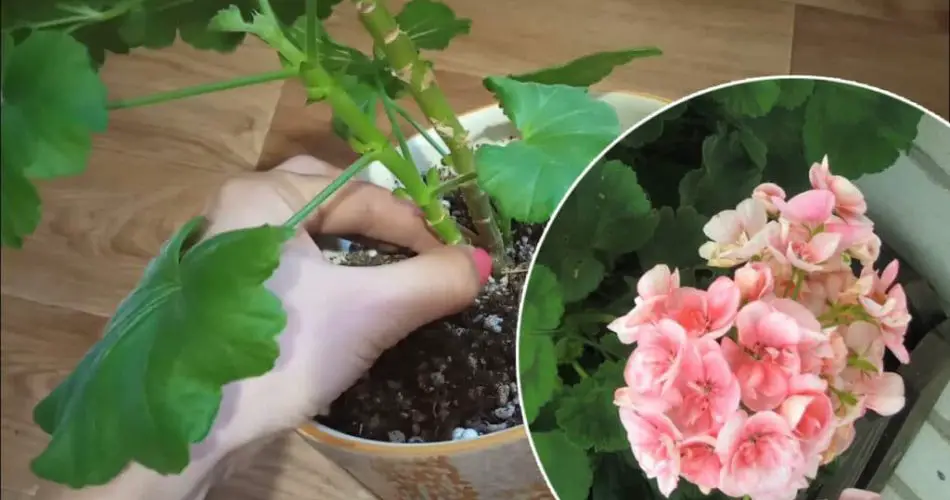
- Pruning: Conduct pruning in September-October. Remove any peduncles, damaged, or yellowed leaves to maintain the plant’s health and prepare it for the winter.
5. Manage Feeding
Feeding should be approached with caution during winter:
- Use Low-Nitrogen Fertilizers: Although geraniums generally don’t need frequent feeding in winter, weakened plants might benefit from a low-nitrogen fertilizer. This provides essential nutrients without overstimulating growth.
Additional Tip: Postpone Transplanting
- Delay Transplanting: It’s best to postpone transplanting your geraniums until spring. Autumn transplanting can leave the plants in a weakened state, making them more susceptible to winter stress.
In Summary
Properly preparing your geraniums for winter involves maintaining the right temperature, providing adequate light, regulating watering, caring for the plant’s appearance, and managing feeding. By following these steps, you can ensure your geraniums remain healthy throughout the winter and are ready to burst into vibrant bloom come spring.