For any seasoned gardener, proper grape care is essential for a successful harvest. One of the most crucial tasks is pruning, especially in November. This process not only shapes the plant but also ensures a productive yield in the coming year. Here’s how to prune your grapes correctly to maximize fruit production.
Why Prune Grapes in November?
Pruning grapes in November offers several advantages:
- Avoiding Spring Issues: If you prune in the spring, you might encounter problems with weed growth at the cut site, which can potentially harm the plant. It’s advisable to prune in autumn to prevent these issues.
- Optimal Timing: November is an ideal time for pruning because the leaves have completely fallen and the plant is in a dormant state. This timing helps minimize stress on the plant and reduces the risk of disease.
How to Prune Grapes Correctly
Follow these steps to ensure effective grape pruning:
- Wait for the Right Conditions:
- Leaf Drop: Ensure that all leaves have fallen from the vine. Pruning too early, before leaf drop, can lead to poor results.
- Dry Weather: Perform the pruning during dry weather. Wet conditions can increase the risk of disease and infection.
- Temperature Check: The air temperature should be above +5°C. This ensures the plant is in a stable state and can handle the pruning process without undue stress.
- Select the Right Tools:
- Pruning Shears: Use sharp, clean pruning shears to make clean cuts. This helps prevent damage and reduces the risk of introducing diseases.
- Prune the Vines:
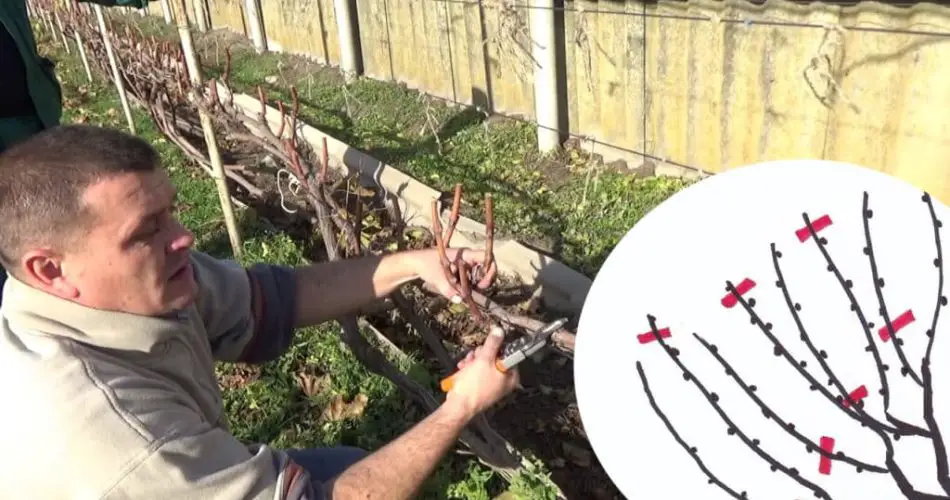
- Remove Old Growth: Start by cutting back old, unproductive wood. Focus on removing older canes to promote new growth.
- Cut Back to Healthy Wood: Prune the remaining canes to healthy wood. This encourages vigorous growth in the spring and ensures a strong framework for new fruit.
- Shape the Vine: Shape the vine to encourage an even distribution of branches. Proper shaping helps the plant support a good crop of grapes and makes harvesting easier.
- Avoid Spring Pruning:
- Minimize Spring Pruning: If pruning must be done in the spring, it should be completed before the grapevines begin to wake up from winter dormancy. This minimizes the risk of stressing the plant and allows it to recover more quickly.
Benefits of Autumn Pruning
- Promotes Healthy Growth: Pruning in November encourages strong, healthy growth in the spring, leading to a more fruitful harvest.
- Reduces Disease Risk: Autumn pruning helps prevent disease and pest issues that can arise from pruning in wet or spring conditions.
- Prepares for Winter: Pruning before winter ensures the plant is well-prepared to handle the cold and emerge strong in the spring.
In Summary
Grape pruning in November is essential for a productive harvest. By waiting for the leaves to fall, choosing dry weather, and maintaining the right temperature, you can ensure your vines are properly prepared for the next growing season. Following these steps will help you achieve a bountiful grape harvest and maintain the health of your plants.