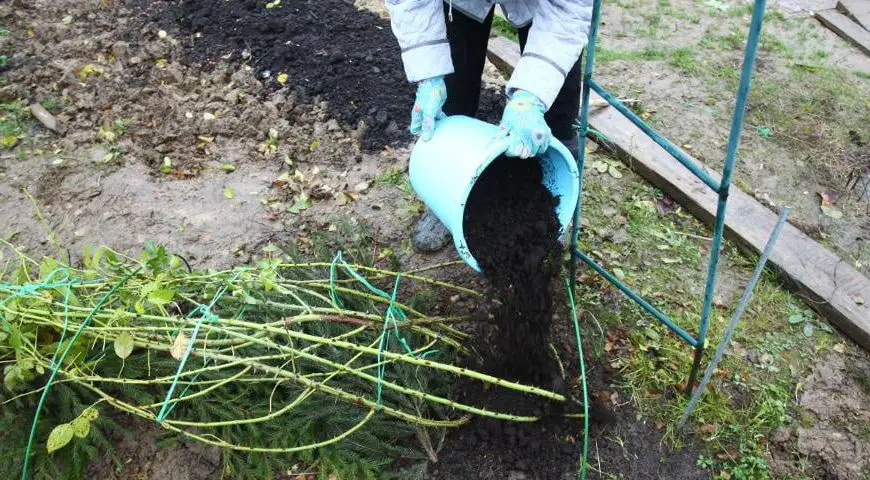
Protecting your rose bushes from winter frost is essential for their survival and the continued beauty of your garden. Different gardeners use various methods to shelter roses for the winter—some rely on mulching, while others build more elaborate structures. The best approach depends on factors like rose variety, winter hardiness, and the local climate. Here’s a comprehensive guide on how to prepare your roses for the cold months ahead, including when to cover them and which varieties can survive without shelter.
Roses That Don’t Need Shelter
Some varieties of roses are winter-hardy and can survive without special shelter. These include:
- Park roses
- Species roses
- Rosehip varieties (such as nitida, glauca, wrinkled)
- Rose hybrids (like alba, rugosa, spinozissima)
- Winter-hardy cultivars such as “Hansa”, “Scabrosa”, “John Davis”, “Snow Pavement”, and “Jens Munk”
For these types of roses, it’s usually enough to mulch the base with a 15-20 cm thick layer of peat or compost to provide protection from frost.
When to Cover Roses
It’s best to start sheltering your roses when the night temperatures consistently drop to around -5°C. This typically occurs at the end of October or mid-November. Before covering your plants, it’s a good idea to treat them with a fungicide to prevent diseases during the winter months.
Shelter Methods for Different Types of Roses
Each type of rose has specific sheltering needs. Here’s a breakdown of the best methods for each:
- Bush Roses: Use the “chicken” method (creating a tent-like structure) or mulch around the base of the bush. You can also cover them with dry leaves or spruce branches for extra protection.
- Climbing Roses: These require extra care to protect their long stems. Start by pinching back shoots, removing leaves, and carefully covering the entire plant.
- Floribunda Roses: These need to be pruned before winter, and afterward, the bushes should be covered with a layer of soil or peat.
- Standard Roses: These do not need pruning, but their trunk should be well covered for protection against frost.
- Ground Cover Roses: Usually, these do not require shelter, but you can cover them with spruce branches for additional protection if needed.
Special Care for Rose Cuttings
If you’re overwintering rose cuttings, they require more attention. Use covering material or a plastic film to protect them. Once the snow melts in spring, you can remove the cover and let the cuttings begin to grow.
Conclusion
By following these recommendations and paying attention to the specific needs of your rose varieties, you can ensure your plants stay healthy and protected through the winter. Whether you’re mulching, pruning, or using more elaborate sheltering techniques, your roses will be ready to bloom beautifully come spring.