Raspberries are a favorite berry for many gardeners, offering a sweet and productive harvest year after year. To ensure a healthy and abundant crop, it’s crucial to properly prepare your raspberry plants for winter. Autumn care is key to promoting their survival through the cold months and ensuring a rich harvest in the spring. Follow these six essential steps to get your raspberries ready for the winter season.
When to Start Preparing Raspberries for Winter?
The best time to begin preparing raspberries for winter is when the temperature stabilizes around freezing or just above. This marks the end of the growing season, signaling that the plants are ready for their winter rest.
Main Stages of Raspberry Preparation for Winter
- Cleaning and Trimming
- Clear the area: Remove fallen leaves, branches, and weeds from around the raspberry bushes. This helps prevent the spread of diseases and pests.
- Prune the canes: Cut back diseased, damaged, or weak shoots. Proper pruning improves ventilation and reduces the risk of fungal infections.
- Pest and Disease Treatment
- Protect your plants from pests and diseases by spraying them with a 5% Bordeaux solution or special agents like Aktara or Alegro. Apply the treatment on a dry day to ensure maximum effectiveness.
- Watering
- A few weeks before the first hard frost, water the raspberry bushes generously. Use 2-3 buckets of water per square meter to ensure the plants are well-hydrated and ready to endure the winter months.
- Feeding
- Apply mineral fertilizers such as potassium sulfate, zinc sulfate, and manganese sulfate. These nutrients will help the plants survive the winter and support the development of flower buds for the next season’s harvest.
- Mulching
- After fertilizing, mulch the base of the raspberry bushes with materials like peat, humus, or compost. Mulching helps protect the roots from freezing and retains moisture in the soil throughout the winter.
- Sheltering
- In regions with harsh winters, consider covering the raspberry bushes with materials like agrofiber or other protective covers to shield young plants from extreme cold.
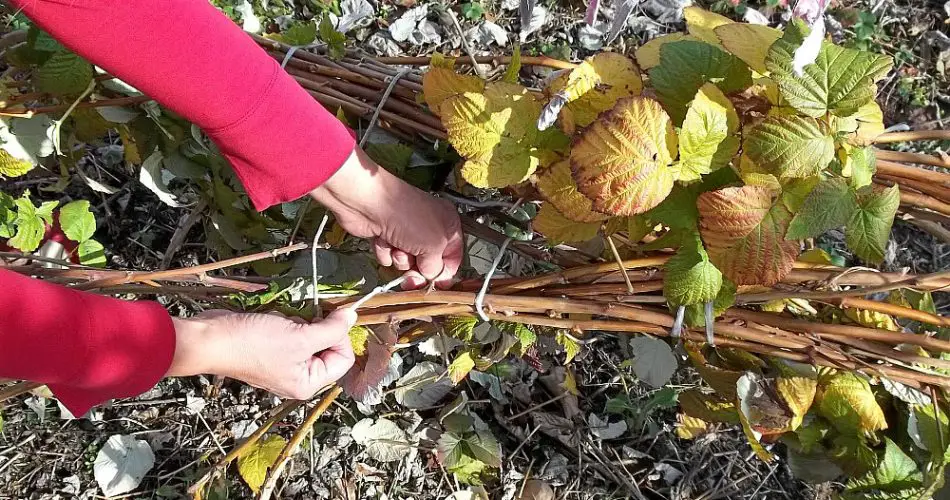
- Tip: For added protection, bend the raspberry canes to the ground at a 45-degree angle and secure them. This helps protect them from wind and further reduces the risk of damage.
Additional Tips for Raspberry Winter Care
- Regular inspections: Keep an eye on your raspberry plants for signs of pests and diseases so that you can take timely action if needed.
- Maintain cleanliness: Regularly weed, loosen the soil, and perform preventive measures to keep the raspberry patch healthy.
By following these simple but effective steps, you’ll create the perfect conditions for your raspberries to thrive through the winter and produce a bountiful harvest next season!