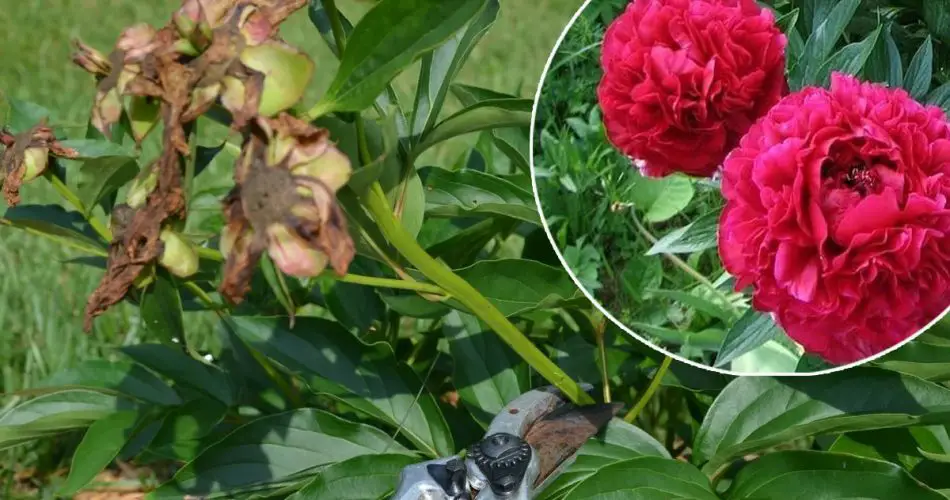
Many gardeners know that peonies require pruning after flowering, but not everyone executes this procedure correctly. Proper pruning is essential to extend the blooming period for the next year and to ensure healthy, lush flower growth. Let’s explore when and how to prune peonies effectively.
Timing for Pruning Peonies After Flowering
Experienced gardeners recommend waiting to prune peonies for 3-4 weeks after flowering, when the stems begin to lie on the ground. This usually occurs in early or mid-July. During this time, the bush stores vital nutrients and develops new buds, which are crucial for future blooming. Rushing the pruning process can hinder the plant’s ability to stock up on resources through photosynthesis.
Additional Care for Faded Peonies
Caring for faded peonies extends beyond just pruning. Start by removing wilted flowers from the plant and cleaning the surrounding area. It’s beneficial to water the ground and, if possible, apply organic fertilizer. Consistent watering is essential, as the plant needs sufficient moisture to grow new buds. After these preparations, you can proceed with pruning the bush.
Correct Pruning Technique for Peonies
Before pruning, consider the age of the plant. It’s best to prune young bushes, ideally those under 10 years old, as they respond more effectively to this procedure.
Pruning Based on Type
- Herbaceous Peonies: Cut these nearly to the ground, leaving about 2-3 cm of stems.
- Tree Peonies: These do not require extensive pruning, as they bloom from last year’s buds. Instead, focus on sanitary pruning by removing any diseased, old, or damaged branches. Remove faded buds two shoots below the flower.
By properly pruning peonies after flowering, you’ll promote the health and vibrant blooms of your plants in the upcoming season.