Do you know the right way to beat wood and care for your trees? This process plays a significant role in maintaining the health and beauty of your garden. In this article, we’ll walk you through the key steps for tree care and whitewashing, ensuring your garden flourishes!
Proper Tree Care: Detailed Instructions for Gardeners
Tree Whitewashing: An Essential Yet Overlooked Task
Whitewashing trees is a crucial, though often invisible, part of garden care. This procedure helps protect the bark from temperature fluctuations, diseases, and harmful insects. However, the question remains: are we always doing it the right way? Let’s explore how to beat and whitewash wood properly for maximum effectiveness.
Preparation Before Whitewashing
Before you begin whitewashing, proper preparation is necessary. Follow these steps to ensure a successful process:
- Choose the Right Weather:
Always beat the tree on a dry day when the weather forecast predicts no rain. Wet conditions can affect the quality of the whitewash. - Hand Protection:
Protect your hands with rubber gloves to avoid skin irritation and damage while handling the materials. - Clean the Tree Bark:
Prior to applying the whitewash, clean the tree’s bark. Remove any old bark, moss, lichens, or debris. A brush or scraper can help with this task. - Cover Cracks and Damage:
Treat any cracks or bark damage by applying garden varnish. This prevents further injury to the tree.
The Whitewashing Process
Once your tree is prepped, follow these steps for effective whitewashing:
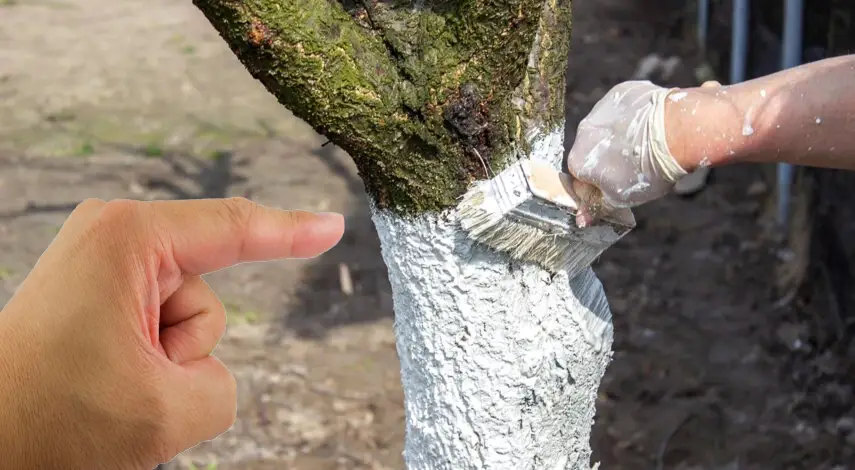
- Applying the Whitewash:
Use a brush or roller to apply the whitewash in an even coat. Ensure the layer is not too thick—2-3 mm is ideal. - Quantity of Whitewash:
Generally, one coat of whitewash is sufficient to cover the entire trunk. - Choosing Whitewashing Material:
You can either buy ready-made whitewashing mixes or prepare your own using ingredients like wax, clay, and other components.
Why Correct Whitewashing is Important
Properly applied whitewash offers several benefits for your trees:
- Protection from Heat: The white surface helps regulate the temperature by preventing overheating during sunny weather.
- Frost Protection: The coating acts as an insulating barrier, protecting the tree from cold temperatures and frost damage.
- Pest Repellent: The whitewash helps repel pests like insects, rodents, and other harmful creatures.
- Disease Prevention: Whitewashing creates an unfavorable environment for the growth of fungal diseases.
Conclusion: Simple Yet Effective Tree Protection
While the whitewashing process may seem simple, it is crucial for ensuring the long-term health of your trees. By following these steps, you can provide your trees with reliable protection throughout the year.
Additional Recommendations
- Regular Inspections: Regularly inspect your trees and, if necessary, reapply the whitewash.
- Consult Experts: For more detailed information, seek advice from tree care specialists or consult gardening literature.
By taking care of your trees with the proper techniques, you help ensure a healthy, beautiful garden for years to come.