Raspberries are a delightful berry, loved for their sweet flavor and aroma, enjoyed by both children and adults alike. To ensure a bountiful harvest of large and juicy berries every year, proper care, especially in the fall, is crucial. Autumn pruning plays a vital role in preparing your raspberry bushes for winter and helps secure a healthy, fruitful crop in the upcoming season. Let’s explore the key steps to pruning and caring for raspberries in autumn.
The Importance of Autumn Pruning
Autumn pruning is not merely about removing old or excess branches; it is a vital process that supports healthy growth and future fruiting. Proper pruning helps ensure a bountiful harvest the following season and contributes to overall plant health.
Why is autumn pruning essential?
- Stimulates new shoots: Pruning encourages fresh growth that will bear fruit in the following year.
- Prevents bush thickening: By reducing overcrowding, you improve airflow and light exposure, both critical for plant health.
- Reduces disease risk: Trimming away old or damaged growth can help prevent diseases from spreading.
- Simplifies care: Easier maintenance of your raspberry bushes, as the plants will be more manageable and healthier.
How to Prune Raspberries in the Fall
Proper pruning is key to encouraging healthy growth and maximizing berry production. Here’s how to go about it:
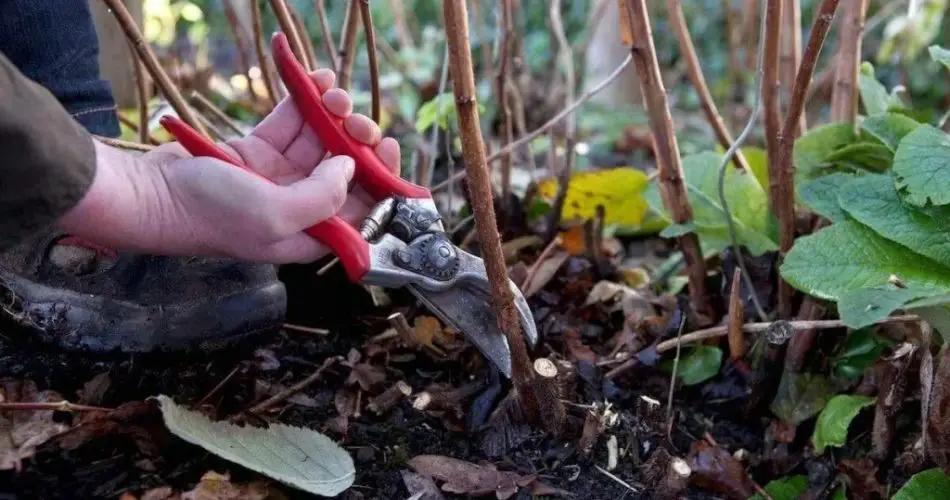
- Remove old shoots: After the harvest, cut away the old canes that have already fruited. These canes will not produce again, and removing them allows the plant to focus energy on new growth.
- Trim annual shoots: Shorten the young shoots to about 2-3 buds from the base. This promotes side branching and can help improve berry size.
- Decide on the pruning height:
- For larger, fewer berries, trim the shoots to about 1 meter high.
- For smaller, more numerous berries, leave the shoots longer (1.5-2 meters) and gently bend them to the ground.
Spring Pruning: A Vital Supplement
While the main pruning happens in the fall, spring care is also important:
- Inspect and remove damaged shoots: In the spring, check the bushes for any dry, damaged, or weak canes, and remove them.
- Bush formation: Keep only the strongest shoots and remove any weak or excess growth to promote healthier development.
Additional Raspberry Care
In addition to pruning, proper care in the autumn and winter months will ensure your raspberry bushes remain healthy and productive.
- Consistent watering: Raspberries need regular water, especially during dry spells, to support strong growth.
- Mulching: Apply a layer of mulch around the bushes to retain moisture and protect the roots from extreme temperatures.
- Leaf removal: In the fall, remove fallen leaves from around the plants to reduce the risk of pests and diseases.
- Bend shoots to protect from frost: To shield your raspberries from winter cold, bend the canes to the ground and secure them in place.
Conclusion
By following the correct pruning techniques and providing regular care during the fall and winter, you’ll create optimal growing conditions for your raspberry bushes. This will lead to a healthy, abundant harvest of delicious, sweet berries each year. So, take the time this autumn to properly prune and prepare your raspberries for the winter, ensuring a bountiful crop when spring comes!