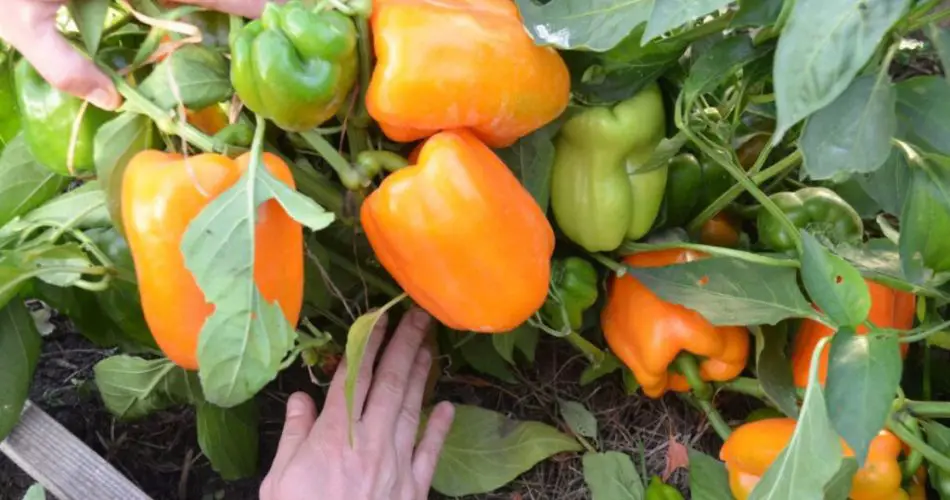
A common problem many gardeners face is the lack of ripeness and color in peppers. If your peppers are not ripening as expected, it’s time to take action. Before you begin, it’s important to understand the reasons why your peppers may not be ripening.
Why Aren’t Your Peppers Ripening?
There are several reasons why peppers might not be changing color or ripening:
- Immaturity: Peppers need between 90 to 150 days to fully ripen, starting from the time of planting the seedlings. It’s important to calculate whether the required growing period has passed.
- Variety: Some peppers, like Green Miracle, Atlantic, Viking, and Marshmallow, naturally stay green, regardless of their maturity. When purchasing pepper seeds, ensure you’re aware of the maturity date for the color you desire (e.g., red, yellow, or orange).
- Potassium Deficiency: Potassium plays a critical role in the color development of peppers. A lack of potassium can lead to poor flowering and weak fruit development.
- Temperature and Weather: Fluctuating temperatures can slow down pepper growth. During the day, temperatures should be at least 22°C, and at night, no less than 15°C.
- Root Damage: Transplanting damage to the root system can hinder growth. Be sure to handle seedlings carefully when transferring them to open ground.
What to Do to Make Peppers Ripen Faster
Now that you know the possible causes, here are some solutions to speed up the ripening process:
- Warm the Beds: Use bottles of water between the rows in your garden. The water will absorb heat during the day and release it at night, helping to maintain consistent warmth for the peppers. If you’re growing peppers in a greenhouse, consider turning on a heater at night to maintain the right temperature.
- Feed with Potassium: Fertilizers rich in potassium will help your peppers ripen faster. You can use ordinary ash by adding a couple of tablespoons per plant and watering it in. Alternatively, dissolve potassium salt and superphosphate (about 2 teaspoons each) in a bucket of water. During cooler temperatures, increase the amount of potassium by 20% to promote ripening.
- Harvest Timely: Picking mature peppers on time allows other peppers to ripen properly. Remove the first fruits that reach full maturity to prevent them from delaying the ripening of the others.
- Remove Small Ovaries: To conserve the plant’s energy, remove small fruits or ovaries that are unlikely to ripen in time. These smaller fruits only drain the plant’s resources.
- Use Warm Places for Ripening: Place ripe or near-ripe peppers in a warm location to encourage ripening. Apples or fully ripe peppers placed nearby will release ethylene gas, which speeds up the ripening process.
- Reflecting Sunlight: Lay a sheet of foil in your garden and place unripe peppers on it. The sunlight reflection off the foil will help the peppers ripen faster by intensifying the light exposure.
Wishing You a Bountiful Harvest!
With these tips, your peppers will ripen faster and more evenly, ensuring a beautiful, colorful harvest. Happy gardening!
Show Comments