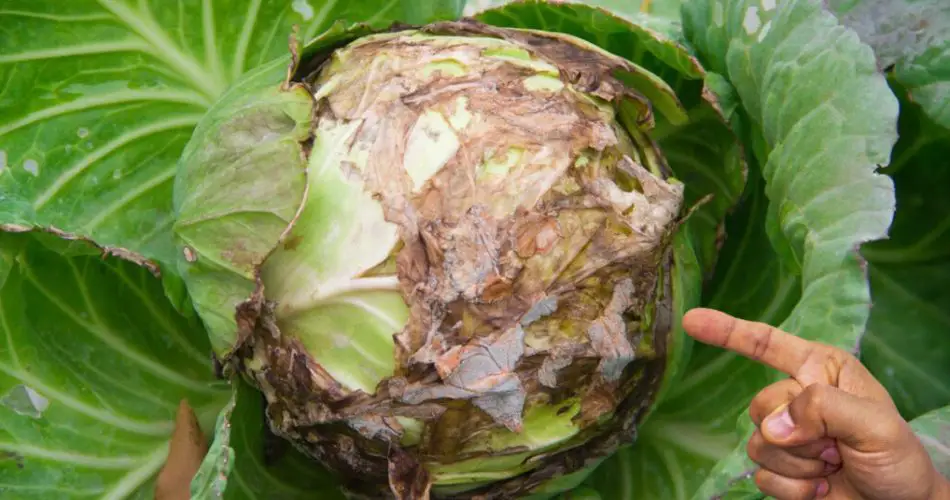
Cabbage rot is a serious concern for gardeners, as once it starts, it can be very difficult to stop. Understanding the causes of rot and knowing how to combat it can help protect your harvest and keep your plants healthy.
Common Causes of Cabbage Rot:
- High humidity and poor air circulation are major contributors to rot. Cabbage needs a well-ventilated environment to stay healthy.
- Insufficient sunlight can also lead to faster rotting. Cabbage should be planted in a spot where it gets plenty of sun.
- Overuse of nitrogen fertilizers during cob formation can weaken the plant, making it more susceptible to rot.
- Frequent rain or heat combined with insufficient watering can create the perfect environment for rot to develop.
Factors That Accelerate Rot:
- Shade: If cabbage is grown in the shade, it is more likely to rot quickly. Always aim to plant cabbage in areas with ample sunlight.
- Dense planting: Planting cabbage too close together restricts air circulation and can lead to faster rot development.
How to Prevent and Combat Rot:
- Soil Management:
- If the beds are humid, loosen the topsoil to prevent water from accumulating and ensure proper air circulation. This will help avoid the formation of a crust that prevents air from reaching the roots.
- Pest and Disease Control:
- Heat can activate pests and diseases that contribute to rot. During hot weather, increase the frequency of soil loosening and ensure the beds are moisturized on time.
- Monitor and Remove Rotting Cabbage:
- Regularly check your cabbage for signs of rot. If you notice any rotting cabbage, remove it immediately to prevent the disease from spreading. Don’t wait for minor rot to worsen—rot spreads rapidly and can affect the entire crop.
- Simply removing the top leaves with rot will not stop the disease; the entire cabbage should be discarded if it shows signs of rot.
Preventive Measures:
- Use biological and folk remedies to combat rot, such as natural fungicides or homemade sprays.
- Loosen the soil frequently to maintain good air circulation and prevent moisture buildup.
- Mulch the beds to help retain moisture and regulate soil temperature.
- Ensure regular watering, especially during dry periods, to keep the soil adequately moist.
- Feed your cabbage with the appropriate fertilizers to ensure strong, healthy plants that are less likely to succumb to disease.
- Monitor your cabbage regularly for any signs of disease or pest damage, and address issues promptly.
By taking these preventive steps and actively managing your cabbage beds, you can reduce the risk of rot and ensure a healthy harvest.
Show Comments