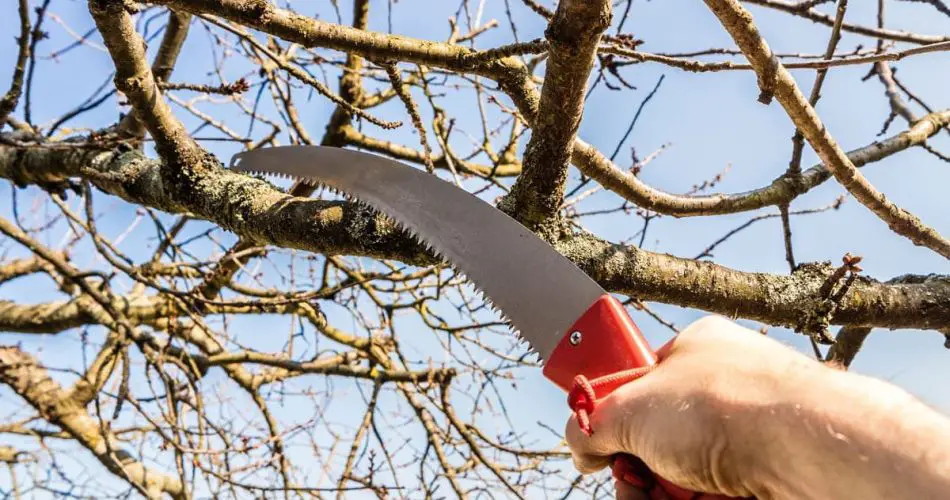
Autumn is an ideal time for pruning fruit trees, as it helps promote healthy growth and ensures a more productive harvest in the coming seasons. However, experienced gardeners emphasize that not all trees should be pruned in the fall. Apple, pear, and plum trees are best suited for autumn pruning.
Pruning should be done with care, considering the specific needs of each tree species. For instance, pear and cherry trees should only have their crowns pruned every three years, as excessive pruning can harm their growth and reduce their yield.
Optimal Timing for Autumn Pruning
The best time to prune is after the leaves have completely fallen, typically in dry, cool weather. Aim to prune 2-3 weeks before the first consistent frost or freezing temperatures.
Key Steps for Autumn Pruning
- Remove diseased, weak, and damaged branches to promote tree health.
- Cut back root shoots and any branches that thicken the crown, ensuring better airflow and light penetration.
- Eliminate crossing branches that could cause rubbing or damage.
- Remove shoots growing inward or vertically, as they can affect the shape and structure of the tree.
- Preserve branches that grow at right angles to the trunk for better strength and productivity.
After pruning, dispose of all cut branches properly and treat any exposed wounds on the tree with a garden spray to prevent infection and promote healing.
Autumn pruning not only helps trees withstand the winter but also lays the groundwork for a more productive and healthy growing season ahead.