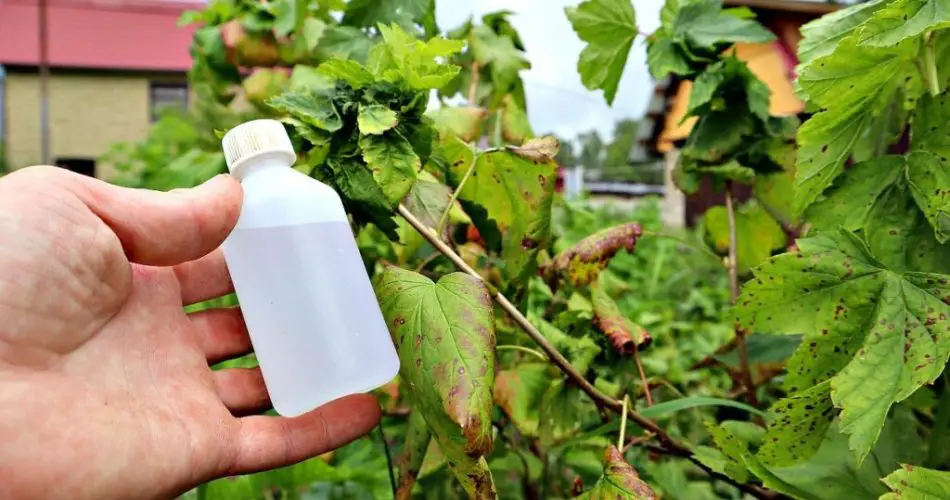
Autumn feeding is crucial for raspberries, as it directly influences next year’s harvest. Proper fall nutrition helps your plants survive the winter and thrive in the spring.
1. When to Feed Your Raspberries
- Summer varieties of raspberries should be fed at the end of summer or the beginning of autumn.
- Repair varieties are typically fed in October to support strong growth and fruiting in the coming year.
2. What Fertilizers to Use
In the fall, use fertilizers that are rich in phosphorus and potassium. These nutrients are essential for:
- Increasing soil fertility
- Protecting plants from frost
- Strengthening the root system
3. Feeding Methods for Raspberries in Autumn
- Dissolve 1 tablet of succinic acid in 1000 ml of water. This solution will boost the immunity of the bush and provide nourishment for strong growth.
- Cover raspberry roots with compost. This organic material helps retain moisture, provides essential nutrients, and offers protection from harsh winter frosts. You can use compost after applying mineral fertilizers. Top the compost with grass cuttings, carrot tops, beets, or nettles for extra protection.
- For every 1 m² of raspberry bed, apply 1 tablespoon of bone meal to enhance soil quality and support root development.
4. Using Borofoska for Healthy Raspberries
Borofoska is a specialized fertilizer containing calcium, potassium, magnesium, phosphorus, and boron.
- Boron helps raspberries to bloom well next season.
- Magnesium supports the plant’s photosynthesis process.
- Apply Borofoska to acidic soils for the best results.
5. What Not to Feed Raspberries
- Chlorine-containing fertilizers should be avoided, as chlorine can damage the roots and negatively impact plant growth.
- If your soil is neutral, don’t use ash. While it’s beneficial for acidic soils, ash on neutral soil can lead to chlorosis, which is difficult to treat.
- Avoid using fresh manure, as it can burn the roots and may cause your raspberries to fail to survive the winter.
By following these simple steps for autumn raspberry feeding, you’ll help ensure that your plants are strong, healthy, and ready to produce a bountiful harvest next year.
Show Comments