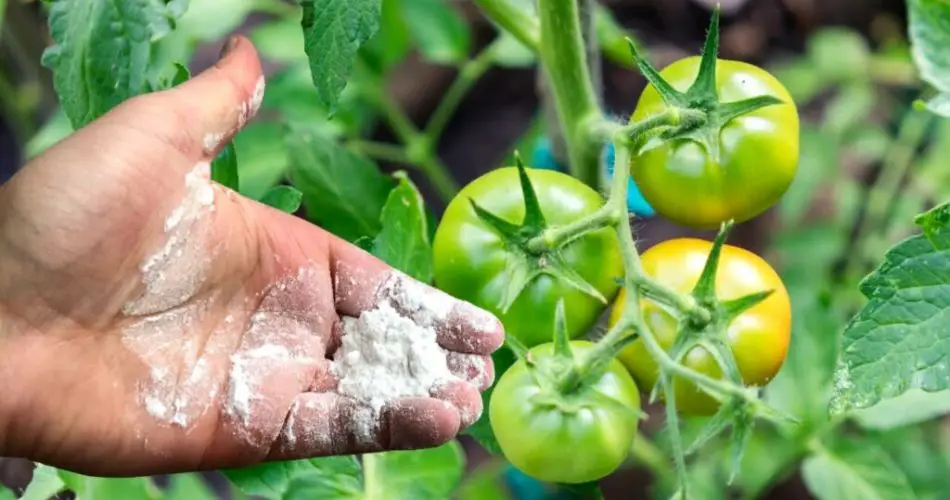
During the tomato flowering stage, every gardener envisions a fruitful outcome for each blossom. Utilizing simple yet effective nutrition strategies can turn this dream into reality without resorting to store-bought fertilizers, opting instead for eco-friendly folk remedies that are gentle on plants and the environment.
When is Top Dressing Needed?
The necessity of feeding during flowering hinges on soil conditions and seedling appearance. If leaves and stems remain green, with abundant flowering and active ovary formation, additional fertilization may not be required.
However, if leaves turn yellow, flowers drop prematurely, and plant growth stagnates, it’s time to intervene.
Stages of Nutrition
First Flower Appearance:
- Mineral Fertilizers: Dissolve potassium sulfate (10-15 g) and superphosphate (30 g) in a bucket of water.
- Organic Fertilizers: Prepare yeast dressing by mixing 10 g of dry yeast with 1 liter of water and 1 tablespoon of sugar. Let it sit for 6 hours, then dilute with water in a 1:5 ratio.
Appearance of Ovaries:
- Mineral Fertilizers: Combine potassium nitrate (10 g) and magnesium (25 g) in 10 liters of water.
- Organic Fertilizers: Repeat yeast application.
Recommendations for Use:
- Moisturize the soil prior to application.
- Apply fertilizers directly to the root zone or spray on plants.
- Adhere strictly to instructions and recommended dosages.
- Avoid overfeeding, as it can have adverse effects.
Following these straightforward guidelines ensures your tomatoes flourish with abundant blooms, yielding sweet, succulent fruits while fortifying them against blossom end rot.
Remember: Diligence and care for your tomatoes promise a rewarding harvest!