Autumn is a crucial period for preparing fruit trees for winter. This guide highlights the key steps and effective strategies to winterize your fruit trees, ensuring their health and productivity through the cold months.
Key Steps in Preparing Fruit Trees for Winter:
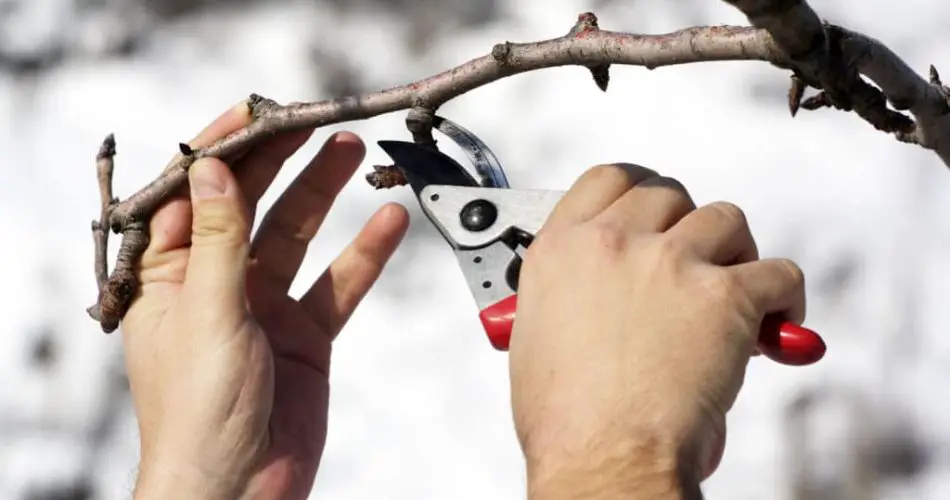
- Tree Pruning: Prune your trees once they have shed their leaves and when temperatures are above 0°C. Focus on removing dead, broken, or damaged branches, particularly for apple, pear, and plum trees. For cherries, apricots, and peaches, sanitary pruning is essential to prepare them for winter.
- Watering: After harvest, thoroughly water the trees to ensure they are well-hydrated. Do this when temperatures are not lower than 3°C. Be mindful that frequent and heavy rains may reduce the need for additional watering.
- Rodent Protection: Protect your trees from rodents by wrapping the trunks with a covering material such as burlap or iron mesh up to 1 meter high.
- Digging: In fall, dig around the trees to eliminate weeds and pests that may be living in the soil. This process is often combined with feeding.
- Whitening: Apply a whitewash to the tree trunks after harvest. This helps safeguard against winter pests and provides protection from sunburn, rapid temperature fluctuations, and rodents.
- Treatment and Spraying: Conduct autumn treatment and spraying to eliminate insects that might overwinter on the trees. Perform this in dry, windless conditions at a temperature of around +5°C.
Following these steps will help ensure your fruit trees are well-prepared for the spring bloom and will lead to a bountiful harvest.