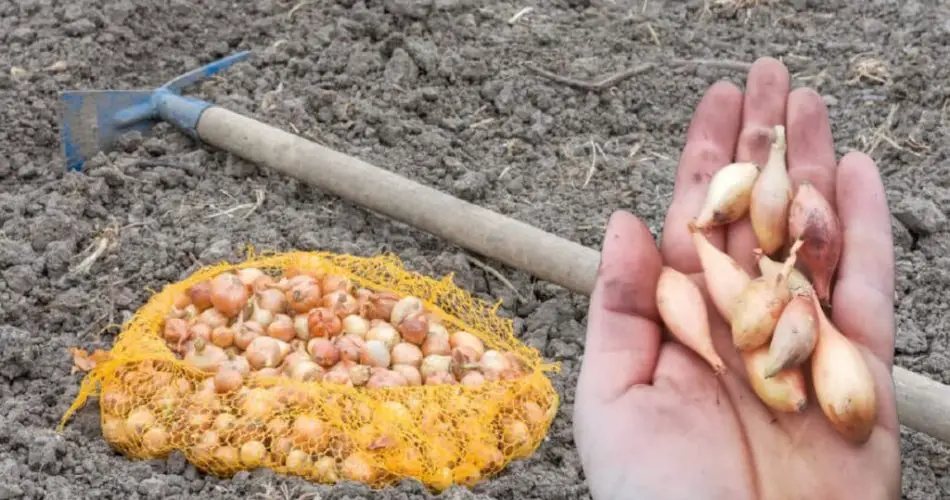
After harvesting in summer and autumn, it’s a great time to engage in other useful work in the garden, particularly planting new crops. One such crop that can thrive through the winter is onion.
Advantages of Growing Winter Onions
Winter onions are typically sown in October, providing them with a longer growing season and higher yields compared to spring planting. Additionally, they are less prone to shooting and suffer fewer pest attacks. However, winter moisture can lead to rotting, so proper planting is essential.
Basic Rules for Planting Winter Onions
1. Preparation of the Bed:
- Clear the area of weeds and plant debris thoroughly.
- Loosen the soil well, especially to a depth of up to 80 cm to accommodate onion roots.
- Apply necessary fertilizers to nourish the plants.
- Adjust soil acidity and texture as needed.
- Mulching the bed is recommended afterward.
2. Getting Rid of Weeds:
- Remove all remnants of previous plants, including fruit and rotted remains.
- Eliminate harmful green plants where pests may overwinter; use herbicides if necessary.
3. Digging (Dislodging):
- Deeply dig the soil before planting, as onions have long, tender roots.
- The deeper you dig, the better for plant growth.
4. Soil Fertilization:
- For autumn planting, use biohumus, compost, or peat.
- Add synthetic fertilizers like urea, superphosphate, and potassium chloride.
5. Mulching and Other Procedures:
- Disinfect the soil after fertilization, especially if there have been past disease issues.
- After planting, mulch the bed with straw, hay, or dry plant stems, ensuring a 10-15 cm thick layer.
By following these steps correctly, you’ll create ideal conditions for the growth of winter onions and enjoy a rich harvest come spring.