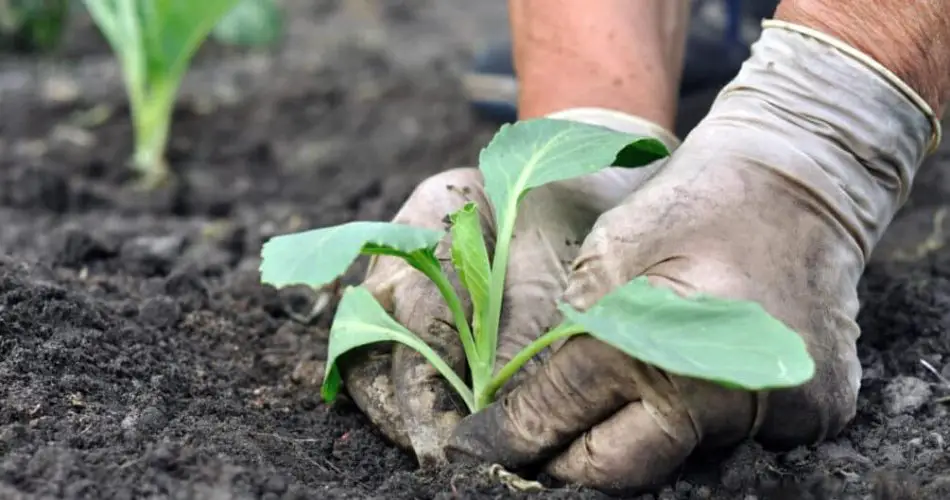
When cultivating vegetables in your garden, it’s crucial to practice crop rotation. This method involves planting different types of crops in the same area each year. By doing so, you prevent soil depletion and minimize the risk of pests and diseases spreading.
Why is crop rotation important?
Crop rotation helps maintain soil fertility by balancing nutrient levels and reducing the buildup of specific pests and diseases associated with particular plants.
Plants to avoid planting cabbage after:
- Potatoes:
- Potatoes are heavy feeders that absorb substantial nutrients from the soil, leaving cabbage plants lacking essential elements.
- Other cruciferous vegetables:
- Vegetables like broccoli, cauliflower, Brussels sprouts, and Chinese cabbage share common pests and diseases with cabbage. Planting cabbage after these can increase the risk of infestations and diseases spreading.
- Tomatoes, peppers, and eggplants:
- These plants also deplete the soil of nutrients necessary for cabbage growth, potentially leading to poor harvests.
- Legumes:
- Legumes fix nitrogen in the soil, but they also compete with cabbage for this essential nutrient. Planting cabbage immediately after legumes may result in nitrogen deficiency for the cabbage plants.
Tips for successful cabbage cultivation:
- Practice crop rotation: After growing crops that deplete the soil or share common pests with cabbage, plant different types of vegetables in that area for a year or two before replanting cabbage.
- Improve soil health: Use organic compost and fertilizers to replenish nutrients and improve soil structure.
- Monitor for pests and diseases: Regularly inspect cabbage plants for signs of pests or diseases and take appropriate action promptly.
By adhering to these guidelines, you can maintain soil health, minimize pest problems, and ensure a bountiful harvest of cabbage and other vegetables from your garden year after year.