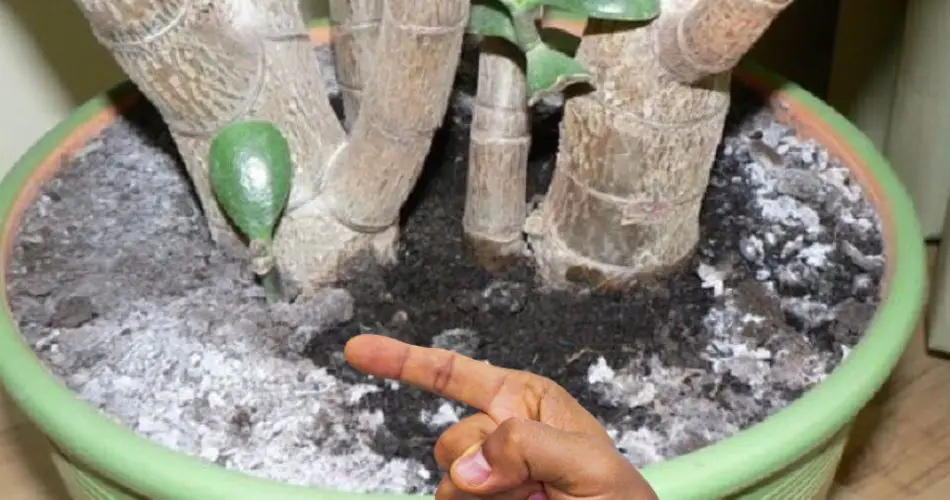
Mold can sometimes appear in pots with flowers, especially when there is excessive humidity in the room. The mold can be either black or white, and each type can have different effects on your plants and the indoor environment.
Black Mold and Its Dangers
Black mold can be harmful to both the plant and the people in the home. It can cause allergic reactions and worsen respiratory conditions if left unchecked. This makes it crucial to address black mold immediately.
White Mold and Its Effects
White mold typically appears due to excessive humidity and heat. It forms when the soil in the pot becomes compacted, preventing the plant from breathing properly. This disrupts the mineral composition and acidity of the soil, which can eventually cause the plant to die if not treated.
Common Causes of Mold in Pots
- Poor quality water used for watering the plants.
- Frequent over-watering, leading to excessive moisture.
- Lack of drainage in the pot or blocked drainage holes.
How to Combat Mold in Pots
If mold has already appeared, it’s important to take immediate action:
- Remove the top layer of soil to get rid of the mold.
- Sprinkle the soil lightly with a pink solution of manganese to disinfect.
- Add fresh soil, charcoal, and a bit of sand to improve drainage and aeration.
- Water the plant with a solution of Fitosporin – M, which will help fight mold and fungal spores.
For even better results, it’s advisable to replace the soil in the pot with fresh soil. Periodically, water your plants with a Fitosporin – M solution to prevent mold and fungal growth and to nourish the plants. Always ensure the soil is dry before watering again, and be sure to loosen the soil after watering to maintain good air circulation.
Preventive Measures
To prevent mold from forming in the future, follow these tips:
- Ensure proper drainage in pots by making sure they have drainage holes to prevent water from stagnating.
- Use soil that contains beneficial additives like trichodermin and charcoal to prevent mold growth.
- Cover the top layer of soil with sand or expanded clay to improve soil aeration.
- Ensure your plants receive good lighting, as mold does not thrive in well-lit conditions.
- Regularly feed your plants with ash infusion to boost their immunity and prevent fungal infections.
By taking these steps, you can keep your plants healthy and free from mold, ensuring they continue to thrive in your home.