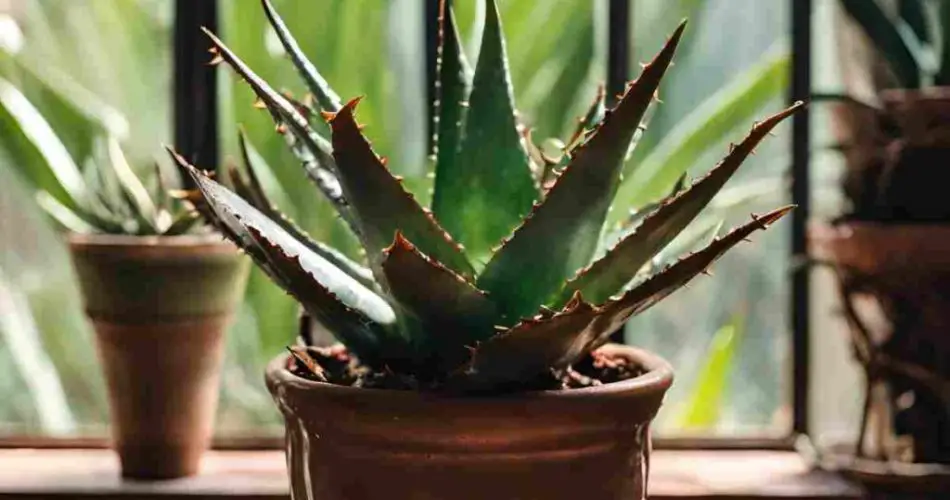
The sight of brown leaves on an aloe vera plant can be unsettling. Often, this change signals that your plant is under stress and needs attention. Let’s explore the possible causes of this issue and the best remedies to restore your aloe’s health.
Understanding Aloe Vera’s Natural Habitat
To care for your aloe vera plant properly, it’s crucial to understand its origins. Native to Africa, aloe thrives in hot and dry climates. While aloe is a hardy and low-maintenance plant, brown or blackened leaves are a clear warning that something in its environment is off.
Common Causes of Brown Aloe Leaves
1. Overexposure to Sunlight
While aloe loves the sun, prolonged exposure to direct sunlight can cause severe damage. This manifests as:
- Darkened leaves with black or reddish spots (signs of sunburn).
- Gradual browning of the leaves.
This often occurs when an aloe plant is suddenly moved from one environment to another without proper adaptation.
Solution:
- Relocate the plant to a spot where it gets indirect sunlight, such as near a window with filtered light.
- Gradually acclimate the plant to any new environment to avoid further stress.
2. Thermal Shock
Sudden temperature changes can also lead to browning or blackening of leaves. For example, frost can severely damage aloe plants placed outdoors during winter.
Solution:
- During cold months, protect your aloe with a transparent sheet or bring it indoors.
- If frost damage has already occurred, prune the affected leaves and shield the plant from further temperature fluctuations.
3. Overwatering
Excessive watering is one of the most common mistakes in aloe care. As a succulent, aloe stores water in its leaves and does not require frequent watering. Overwatering can lead to root rot, which in turn causes the leaves to darken and decay.
Solution:
- Only water the plant when the soil is completely dry. To check, touch the surface of the soil; if it feels dry, it’s time to water.
- Remove any excess water from the saucer and let the soil dry out.
- For severe cases, repot the plant in well-draining soil and use a pot with proper drainage holes.
Steps to Revive a Stressed Aloe Vera Plant
- Identify the Cause: Determine whether the problem is sunlight, temperature, or watering.
- Adjust the Environment: Relocate the plant to a spot with indirect light, protect it from sudden temperature changes, and ensure proper watering habits.
- Prune Damaged Leaves: Remove any blackened or decayed leaves to redirect the plant’s energy toward healthy growth.
- Repot if Necessary: Use a pot with drainage holes and a well-draining soil mix if overwatering has caused root rot.
A Magical Plant Worth Caring For
With proper care, aloe vera can thrive and bring joy with its beauty and countless health benefits. Whether you use its gel for skincare or appreciate it as a decorative houseplant, aloe vera is loved for its resilience and versatility.
By addressing the causes of browning leaves and making a few adjustments, you’ll restore your aloe to its lush, healthy state—and enjoy all the rewards this incredible plant offers!
Highlighted Tips:
- Indirect sunlight prevents sunburn.
- Avoid sudden temperature changes to protect the leaves.
- Water only when the soil is completely dry to prevent root rot.