When it comes to maintaining the hedge that separates two properties, many people are unsure about who is legally responsible for its upkeep. Here’s what the civil code specifies about this situation.
Maintaining the Boundary Hedge
Respecting boundaries and maintaining a tidy hedge is crucial for good neighbor relations, especially in shared living spaces like condominiums or terraced houses. A well-maintained hedge prevents encroachment into neighboring properties, avoids disputes, and contributes to the overall appearance of the area.
Who Should Cut the Boundary Hedge?
In some cases, a hedge may overgrow and extend into a neighboring property, causing inconvenience or reducing the usable space for the affected party. The question often arises: Who should be responsible for pruning the boundary hedge? Is it the owner of the hedge, or should the neighbor who is affected by the overgrowth handle it?
Legal Guidelines from the Civil Code
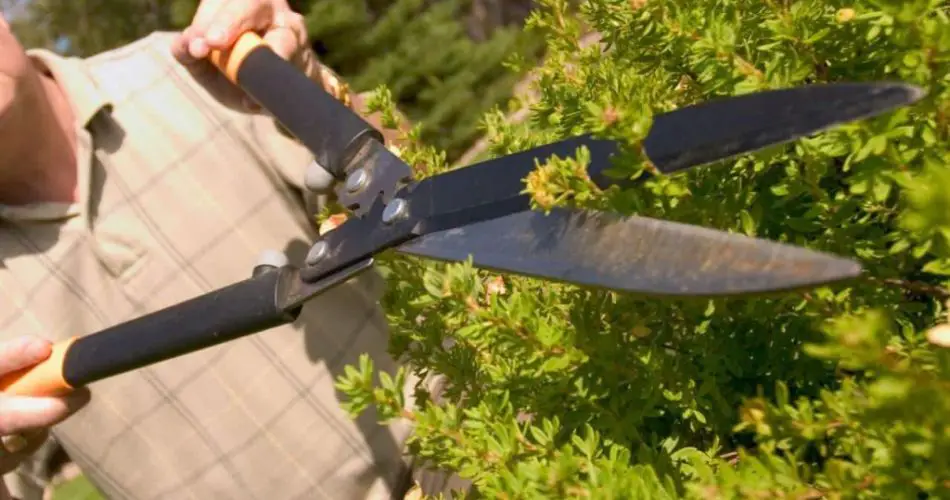
According to Article 894 of the Civil Code, the responsibility for maintaining and pruning a boundary hedge falls to the hedge’s owner. If the hedge encroaches onto a neighboring property, the affected neighbor has the right to request that the owner prune it promptly.
Key Points:
⦁ Owner’s Responsibility: The owner of the hedge must handle the pruning if it extends into a neighbor’s space.
⦁ Neighbor’s Rights: The neighbor affected by the overgrowth cannot prune the hedge themselves without risking legal issues.
Resolving Disputes
While the civil code provides clear guidelines, many disputes can be resolved amicably through communication. Neighbors should ideally discuss and agree on a solution to maintain the hedge without legal intervention. However, if discussions fail and the hedge remains unpruned, the affected neighbor has the right to take legal action.
Steps to Take:
⦁ Send a Formal Request: Begin by sending a formal notice to the hedge owner, requesting them to address the overgrowth.
⦁ Legal Action: If there is no response, you may need to seek legal recourse. This could involve filing a complaint or taking the matter to court.
⦁ Emergency Situations: For urgent cases where the hedge or tree poses a safety hazard, such as thorns or potential damage, contact judicial authorities for immediate intervention.
By understanding these rules and following proper channels, neighbors can handle hedge maintenance issues effectively and maintain good relations.