Planting winter garlic in the fall is a crucial step for ensuring a bountiful harvest the following season. One of the most important aspects of garlic planting is providing the right nutrients to the soil. Using specific fertilizers can eliminate the need for additional feeding and set your garlic up for success. Here’s how to prepare your garlic planting holes to maximize your harvest.
Essential Fertilizers for Garlic Planting
- Wood Ash and Grass Clippings:
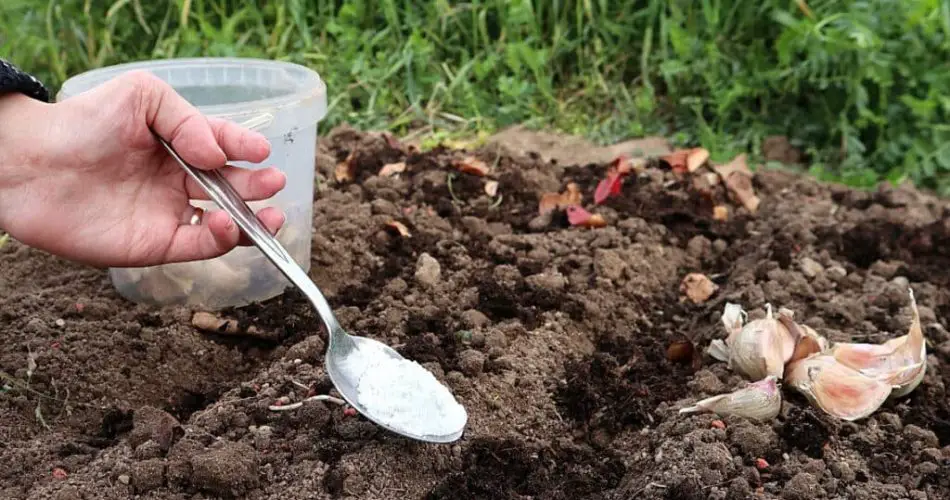
- Wood Ash: Place a small amount of wood ash in each planting hole. If you don’t have access to wood ash, you can purchase it from a garden store. A half-kilogram bag of wood ash should be more than sufficient.
- Grass Clippings: Combine the wood ash with grass clippings. The mixture provides essential nutrients and helps improve soil structure.
- Specialty Garlic Fertilizers:
- Garlic-Specific Fertilizer: If wood ash isn’t available, opt for a specialty fertilizer specifically labeled “For Garlic.” Add about one teaspoon of this fertilizer to each hole. Ensure the product contains 7-8% of key nutrients such as nitrogen, potassium, phosphorus, calcium, and magnesium.
Benefits of Using These Fertilizers
- Nutrient Supply: Both wood ash and specialty fertilizers provide crucial nutrients needed for robust garlic growth. Wood ash enriches the soil with potassium and calcium, while garlic-specific fertilizers ensure a balanced supply of essential elements.
- Soil Health: Wood ash and grass clippings help to improve soil structure, enhancing its ability to retain moisture and nutrients, which is beneficial for garlic development.
- Optimal Growth: By using these fertilizers, you ensure that your garlic gets the nutrients it needs right from the start, which can lead to a more abundant harvest.
Tips for Planting Winter Garlic
- Prepare the Soil: Before planting, make sure the soil is well-loosened and free of weeds.
- Plant at the Right Time: Autumn is the ideal time to plant winter garlic, allowing it to establish roots before winter.
- Monitor Soil Moisture: Keep the soil moist, but not waterlogged, to encourage healthy garlic growth.
Conclusion
Incorporating wood ash, grass clippings, or a specialty garlic fertilizer into your planting routine can make a significant difference in the success of your winter garlic crop. By ensuring your garlic receives essential nutrients from the beginning, you can look forward to a thriving garden and an impressive harvest next season. Embrace these fertilization tips to set the stage for a robust and fruitful garlic yield.