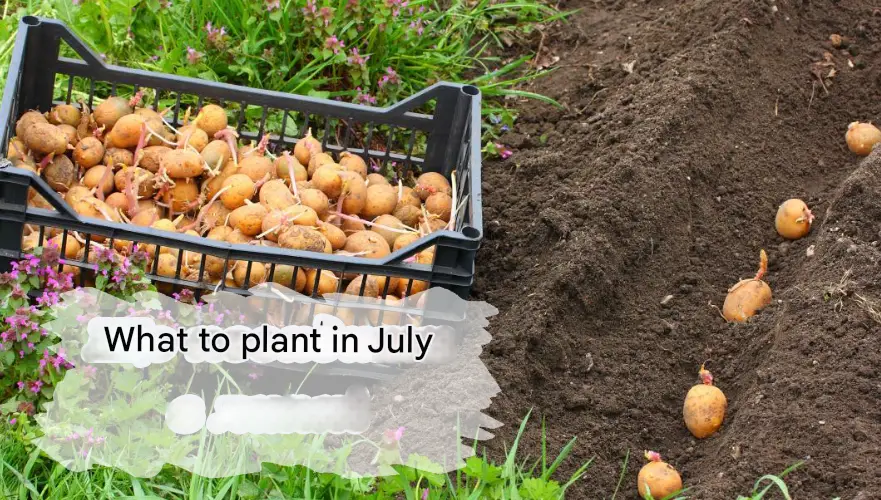
Planting certain crops in July allows you to harvest them before the fall. Early plantings such as root parsley, beets, parsnips, radishes, turnips, carrots, and rutabagas will have enough time to ripen before autumn arrives.
You can also sow cucumber grass—brago—in the shade. It’s important to harvest it before flowering, as the leaves become tough and hard after blooming.
- Dill seeds can be planted in July and should be sown every 15 days. Before planting, enrich the soil by adding 10 liters of rotted humus and a tablespoon of nitrophoska per 1 m². Complex fertilizers can also be applied to improve soil fertility.
- Cruciferous lettuce can be sown, which will sprout in about two weeks.
- Leaf lettuce grows within 30 days. Be sure to thin the plants and moisturize regularly.
- Spinach can be sown, and seedlings will appear within a week. Soak the seeds before planting for best results.
- After sowing, feed the beds with fertilizer and plant arugula, which will begin to sprout in just 5 days.
- You can also plant onions (leeks) and parsley.
Other Vegetables to Plant in July:
- Sow radishes every 14 days, but don’t forget to apply nitrogen fertilizers to encourage growth.
- Plant daikon, which is resistant to pests like the cabbage looper, turnip looper, and cruciferous flea beetle.
- Peas and beans can also be planted in July.
- For perennial plantings, consider planting rhubarb, sorrel, chives, batun, and slizun.
Planting After Other Crops
You can plant these crops after tubers, cucumbers, dill, radishes, and peas. Be sure to mulch the beds with compost or peat. The mulch layer should be about 5–7 cm deep.
Gardening Tips for Success:
- Water the beds well before sowing to ensure the soil is adequately hydrated.
- Soak and germinate seeds before planting to prevent them from drying out in the heat.
- Choose hybrid varieties as they tend to ripen faster.
- Follow crop rotation practices and pay attention to plant compatibility.
- Prepare the beds in advance by removing weeds, loosening the soil, and adding fertilizers like urea, potassium sulfate, and superphosphate.
- When growing greens, don’t occupy too much space—good, timely care will ensure a successful harvest even in smaller areas.
With these tips, you’ll be able to enjoy a fruitful garden even in the late summer. Good luck with your planting!
Show Comments