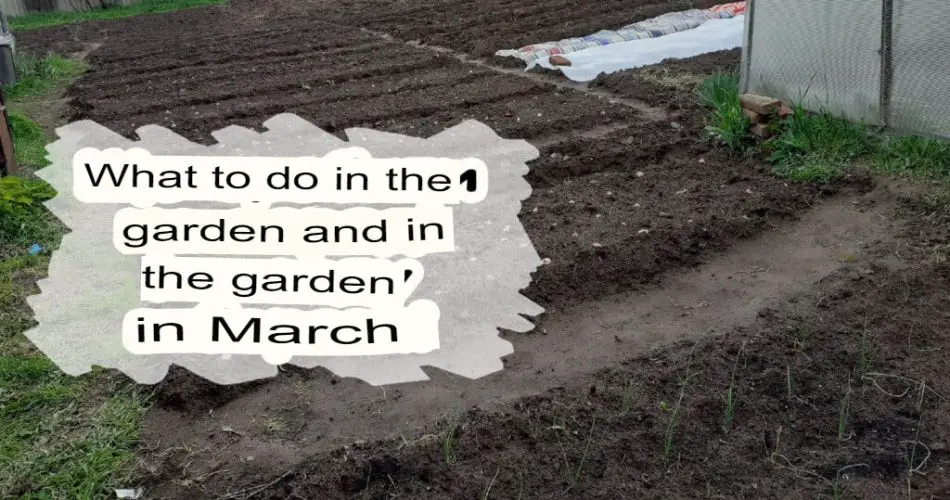
March is a busy month for gardeners as it marks the beginning of spring and the start of crucial preparations for the planting season. This involves tasks such as purchasing and germinating seeds, planting seedlings, and fertilizing the soil. In the garden, it’s also time to prune trees, manage pests, and plant new seedlings. To make the most of this vital period, here’s a comprehensive guide to key activities for your garden and vegetable plot in March.
Retain Snow on the Beds
If snow falls, it’s beneficial to keep it on your garden beds. Pile the snow onto the future planting areas to aid in its gradual melting. Snow cover benefits the soil, but be sure to remove it from around trees and bushes to prevent root freeze.
Inspect and Prune Trees
Examine your trees, especially young ones, for signs of frostbite, disease, or damaged branches. Trim away any diseased parts back to a healthy bud and apply a tree paste to the bark. Perform sanitary pruning on berry bushes and grapevines as well.
Whitewash the Trees
If you practice tree whitewashing, March is an ideal time for this task. Whitewashing helps protect trees from sunburn and pests.
Plant New Trees
In the latter half of March, once the ground has thawed, plant new trees such as apricots, plums, apples, pears, cherries, lilacs, jasmines, and walnuts. Ensure that seedlings have swollen buds before planting.
Treat the Garden for Pests
When temperatures reach at least +5°C, treat the garden for pests using a universal insecticide available from garden centers. Conduct this treatment before buds begin to swell.
Hang Birdhouses
With migratory birds returning in mid-March, set up several grain feeders in your garden to attract these natural pest controllers.
Plant Seedlings
The main task for gardeners is starting vegetable seedlings. Begin with early varieties like tomatoes, peppers, cauliflower, and white cabbage. Follow up with other vegetables and flowers such as pumpkin, early carrots, eggplant, beans, and beets.
Check the Seedlings
Once seedlings appear, transplant them into individual cups, especially for plants like eggplants and tomatoes, to promote healthy growth.
Prepare the Beds for Planting
Advance fertilization is crucial for a successful crop. Use compost for cabbage and zucchini, and add humus for cucumbers and eggplants.
Prepare Potatoes for Planting
Select the best potato tubers, allowing them to sprout white shoots to prepare for planting.
Plant Vegetables and Flowers in Open Ground
Some vegetables and flowers can be planted directly in the open ground, including radishes, peas, beets, and certain flower varieties.
By following these steps, you’ll set the stage for a fruitful growing season and enrich your garden with a diverse array of crops.