Hydrangeas, with their enchanting blooms and elegant foliage, have long captivated garden enthusiasts with their beauty. For those seeking to expand their hydrangea collection or share the joy of these beloved plants with others, propagating them from cuttings offers a simple and effective method.
Join us as we delve into the expert techniques shared by nursery professionals, unveiling the secrets to successfully multiplying hydrangeas through the power of cuttings.
Preparing for Propagation: Before embarking on the journey of multiplying hydrangeas, it’s essential to understand the optimal conditions and timing for this process. Spring or autumn, when the plant is in its active growth phase, provides the ideal window for taking cuttings. Selecting a healthy, vigorous mother plant with robust lateral branches sets the stage for successful propagation.
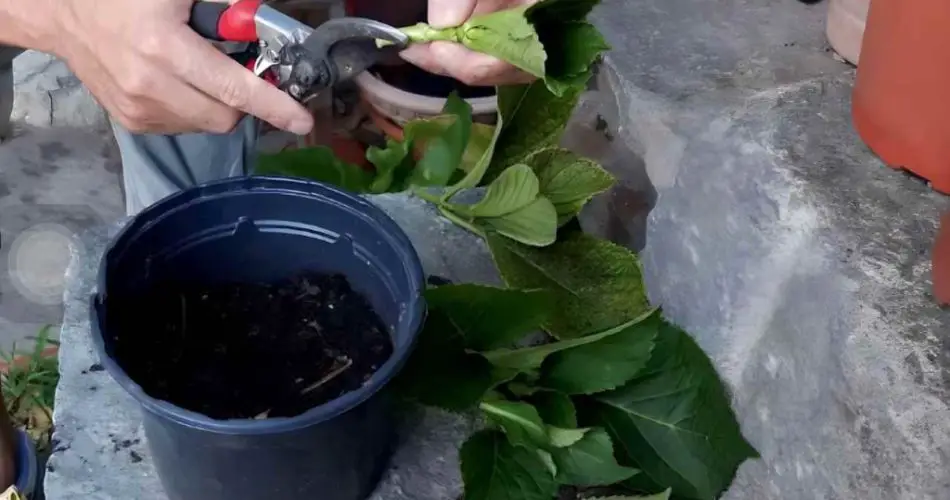
The Art of Taking Cuttings: With precision and care, take cuttings from the chosen mother plant, ensuring they are approximately 10-15 centimeters in length and possess two or three nodes. Employing clean, sharp tools minimizes the risk of disease transmission and ensures clean cuts. Remove basal leaves, retaining those at the upper end, and consider reducing the size of large leaves to mitigate moisture loss.
Nurturing Root Development: To encourage robust root development, dip the base of the cuttings in a powdered rooting hormone, adhering to the manufacturer’s instructions. This crucial step accelerates the rooting process and enhances the chances of successful propagation. Plant the cuttings in a well-drained medium, maintaining adequate spacing to facilitate airflow and prevent overcrowding.
Creating the Perfect Environment: Provide the cuttings with a conducive environment for rooting by enclosing them in a container or plastic box covered with a clear plastic bag. This setup creates a humid, controlled atmosphere conducive to root growth. Place the cuttings in a bright location away from direct sunlight, ensuring consistent moisture levels without overwatering.
Celebrating Root Success: After several weeks of attentive care, the cuttings will begin to develop roots, signaling their readiness for transplantation. Once rooted, transplant the cuttings into individual pots or directly into prepared soil enriched with humus or compost. During the initial months, offer young plants extra care, maintaining optimal moisture levels and shielding them from harsh environmental conditions.
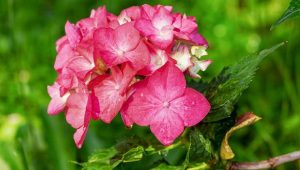
With the guidance of expert nursery professionals and a touch of green-thumb enthusiasm, multiplying hydrangeas from cuttings becomes a rewarding and accessible endeavor. Embrace the art of propagation, and unlock the potential to cultivate flourishing hydrangea gardens, enriching your outdoor space with the timeless beauty of these magnificent blooms. Let the journey of propagation commence, and may your garden flourish with the abundant splendor of multiplied hydrangeas, a testament to the joys of nurturing and growth.