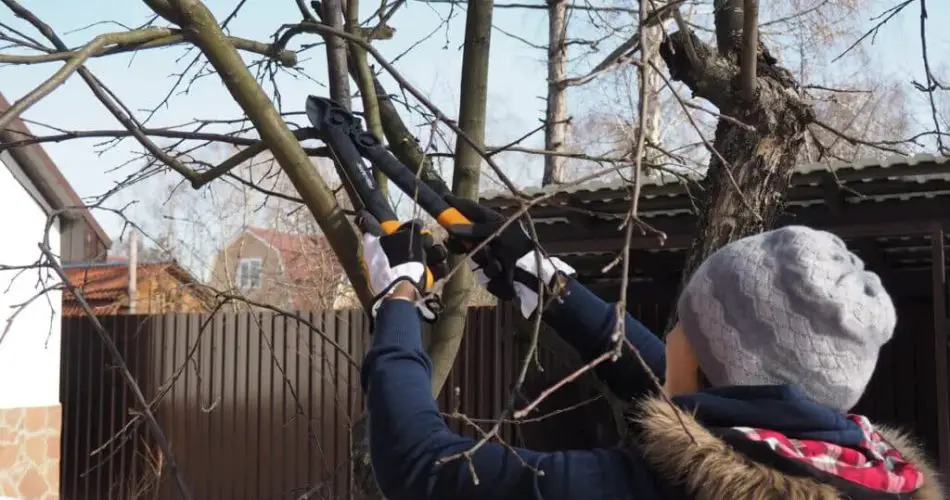
February marks a crucial time for gardeners to focus on pruning certain plants to ensure their health and enhance their growth. Proper pruning at this stage is essential for fostering lush flowering and robust development. Here are three plants that benefit from pruning in February and the best practices for each:
Hydrangea
- Pruning Timing: This deciduous shrub, known for its summer blooms, requires pruning in February or early March. This timing is essential to prepare the plant for a vibrant growing season.
- Pruning Guidelines: Avoid removing healthy buds during the process. Instead, focus on cutting back dead wood and old stems, leaving a strong “frame” of branches. Proper pruning will encourage the hydrangea to produce large flowers and prevent the bush from becoming overly leafy.
Buddleja davidii
- Pruning Timing: Known for its bright and fragrant flowers, the Buddleja should be pruned in February, once the frost has ended. This helps to prepare the plant for optimal blooming.
- Pruning Guidelines: Remove old branches and weak shoots that have dead growths. Retain only the strongest and largest buds to ensure a healthier and more robust flowering display.
Roses
- Pruning Timing: February is the ideal time for rose pruning. This helps to clean up the plant and prepare it for a productive growing season.
- Pruning Guidelines: Remove extra branches, rotten parts, and unnecessary shoots. Be cautious not to overdo it—cut side shoots to about two-thirds of their length. This helps maintain a balanced structure and promotes healthy growth.
In Summary
Pruning these plants in February is vital for their overall health and future performance. By following these guidelines for hydrangeas, Buddleja davidii, and roses, you can ensure that they develop well and produce abundant blooms. Proper pruning during this period sets the foundation for a vibrant and flourishing garden throughout the year.
Show Comments