Proper pruning is crucial for maintaining a lush and healthy orchid. To ensure your orchid blooms beautifully and stays in top condition, adhere to these three main rules of pruning. Here’s how to properly care for your orchid through effective pruning techniques.
Step 1: Choose the Optimal Time for Pruning
- Post-Flowering: The ideal time to prune your orchid is after flowering has finished. This allows the plant to recover and prepare for its next bloom cycle.
- Avoid During Growth and Cold Seasons: Do not prune during active growth phases or during the cold season. Orchids are tropical plants and require stability to thrive.
Step 2: Trim the Flower Spike
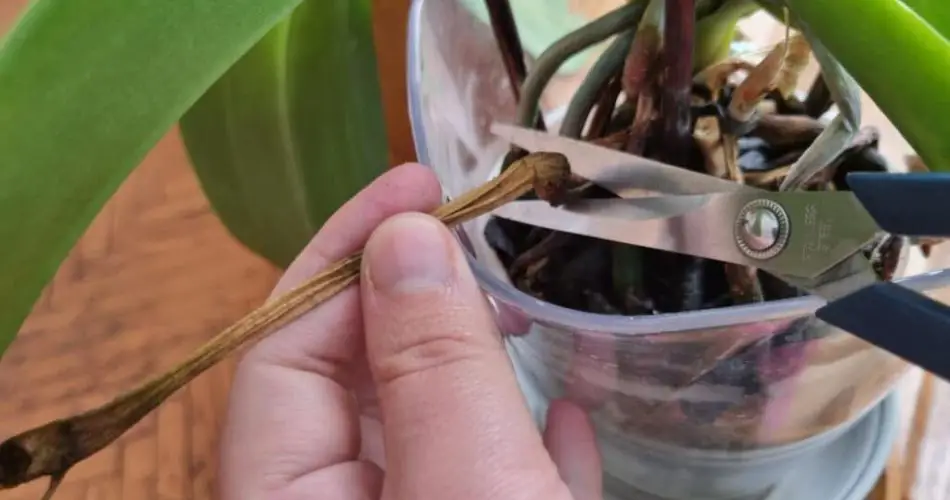
- Proper Cutting: Focus on cutting the flower spike correctly. Locate the top of the peduncle and make a cut 1-2 cm above the dormant bud. This technique encourages the growth of new flower stalks and enhances future blooming.
- Avoid Over-Pruning: Do not cut off the entire flower spike completely, as this could harm the plant. Leaving a small portion above the dormant bud helps in promoting new growth.
Step 3: Care for the Cuts
- Wound Treatment: After pruning, treat the cut areas with a special plant wound healing agent. This helps prevent infections and accelerates the healing process, ensuring the plant remains healthy.
Additional Tips for Orchid Care
- Regular Maintenance: In addition to pruning, ensure proper watering, feeding, and lighting for your orchid. Consistent care supports overall plant health and enhances blooming.
- Monitor Health: Keep an eye on the plant’s condition and make adjustments as needed to maintain its beauty and vitality throughout the year.
By following these essential pruning rules and maintaining comprehensive care, you can enjoy a vibrant and beautifully blooming orchid. Proper pruning not only supports new growth but also contributes to the overall health and longevity of your plant.
Show Comments