As winter approaches, protecting your strawberries is crucial because truly frost-resistant varieties are rare. Proper winter preparation is essential to avoid losing plant vitality and ensure a robust spring growth. Here are three effective methods to cover your strawberries and ensure they survive the cold months.
Why Winter Protection is Necessary
Even though strawberries are hardy, they still need protection to withstand harsh winter conditions. Proper sheltering helps prevent damage and maintains plant health for a successful spring.
Three Effective Winter Covering Methods
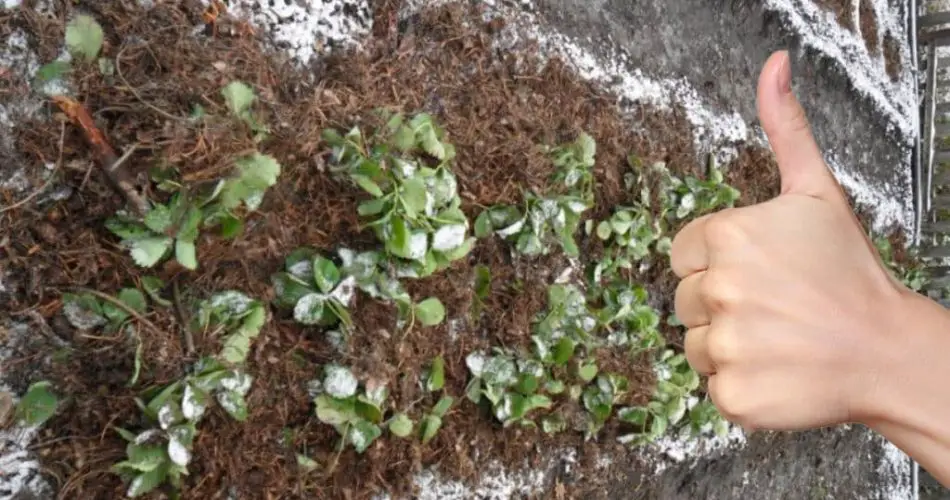
- Spruce Bark:
- Advantages: Spruce bark is highly recommended for winter protection. It offers multiple benefits:
- Acidifies the Soil: Spruce bark helps maintain soil acidity, which is beneficial for strawberries.
- Rodent Protection: It acts as a deterrent to rodents that might otherwise damage the plants.
- Creates Air Layers: It forms an insulating air layer under branches and snow, helping the plants survive freezing temperatures.
- Application: Apply a thick layer of clean spruce bark around the strawberry plants to ensure effective insulation.
- Advantages: Spruce bark is highly recommended for winter protection. It offers multiple benefits:
- Sawdust:
- Advantages: Sawdust can be an effective covering material when used correctly:
- Row Coverage: It’s suitable for filling between rows of strawberries.
- Soil Nutrient Balance: Ensure that sawdust is soaked in a solution to prevent nitrogen deficiency in the soil, which can occur as it decomposes.
- Application: Spread sawdust evenly over the strawberry bed, keeping it moist to enhance its effectiveness.
- Advantages: Sawdust can be an effective covering material when used correctly:
- Straw:
- Advantages: Straw is another viable option for winter protection:
- Insulation: It provides good insulation against the cold.
- Ease of Use: Straw is readily available and easy to apply.
- Precautions: While straw is effective, it can attract mice and other pests that may damage your strawberry bushes. To minimize this risk, ensure that straw is applied carefully and check regularly for pests.
- Advantages: Straw is another viable option for winter protection:
Timing and Additional Tips
- When to Apply: Create winter shelters only when negative temperatures become stable during the day. This timing ensures that the plants are protected before severe cold sets in.
- Material Cleanliness: Use clean materials to avoid introducing fungal diseases and other issues.
- Preparation for Spring: Properly prepared strawberries will not only survive the winter but will also thrive and yield a bountiful harvest in the new season.
Conclusion
Using the right materials and techniques to cover your strawberries for winter is essential for their survival and health. Spruce bark, sawdust, and straw each offer unique benefits for protecting your plants from the cold. By following these methods and timing your application correctly, you can ensure your strawberries come through winter in great condition, ready to produce a fantastic crop in the spring.