Garlic is a valuable crop in many gardens, but it’s not uncommon to encounter yellowing leaves during its growth. This issue often signals underlying problems with the plant’s development. Fortunately, there are several effective strategies to prevent this problem and ensure your garlic thrives.
Causes of Yellowing Garlic Leaves
- Frost Damage: Frost can cause stress to garlic plants, leading to yellowing leaves. This is particularly a problem in early spring or late fall.
- Nutrient Deficiency: Insufficient nutrients can also result in yellowing. Garlic requires specific nutrients to grow healthy and strong.
Effective Feeding Methods
- Nutrient Solution
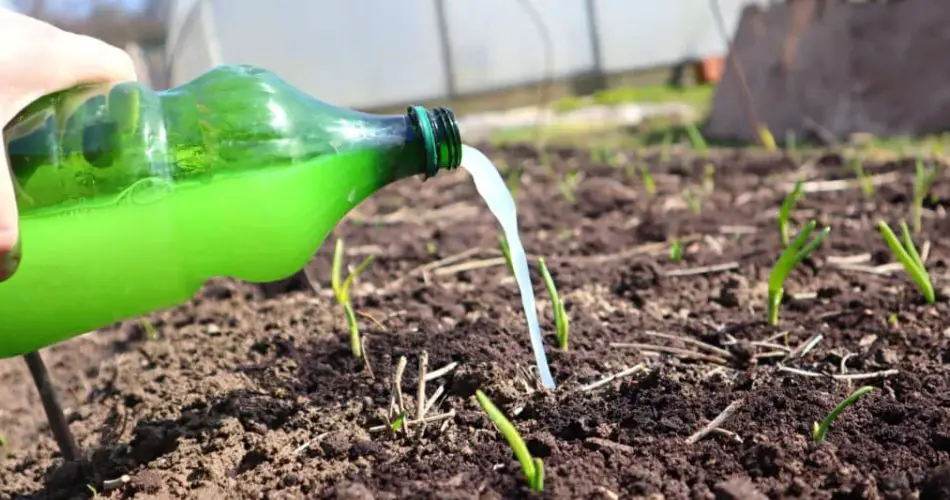
- Preparation: Create a simple nutrient solution to help combat yellowing. Mix two tablespoons of the chosen product per bucket of water.
- Application: Apply this solution to the garlic plants every week and a half. This regular feeding helps replenish necessary nutrients and prevents deficiencies that cause yellowing.
- Urea Fertilizer
- Timing: Use urea when the temperature is at least 17°C (63°F), and the garlic has developed five leaves.
- Dosage: Dissolve 50 grams of urea in a bucket of water and apply it to the plants. This provides a quick source of nitrogen, which is crucial for healthy leaf development.
Preventive Measures
- Monitor Frost: Protect garlic from frost by using mulch or covering the plants during cold periods. This helps minimize temperature-related stress.
- Regular Feeding: Ensure your garlic receives adequate nutrients throughout the growing season. Regularly apply nutrient solutions or fertilizers to support robust growth.
By adhering to these feeding practices and preventive measures, you can effectively manage and prevent yellowing of garlic leaves. Proper care will help your garlic plants remain healthy and productive throughout their growth cycle.
Show Comments