Asters bring a splash of unique beauty to any garden, making them a favorite among gardeners. To ensure you have a stunning display of asters throughout the summer, it’s important to follow the right sowing methods for healthy and vibrant seedlings. Here’s how to sow asters correctly to enjoy their exquisite blooms all season long.
Optimal Timing and Method for Sowing Asters
Sowing Timing: Many gardeners are eager to sow aster seeds as early as February, but the best time is actually late March. This timing allows the seedlings to develop strong roots and sturdy growth before they are exposed to outdoor conditions.
- Prepare the Planting Container:
- Container Choice: Use a box or bowl with a height of 5-7 cm. Fill it with garden soil suitable for seedlings.
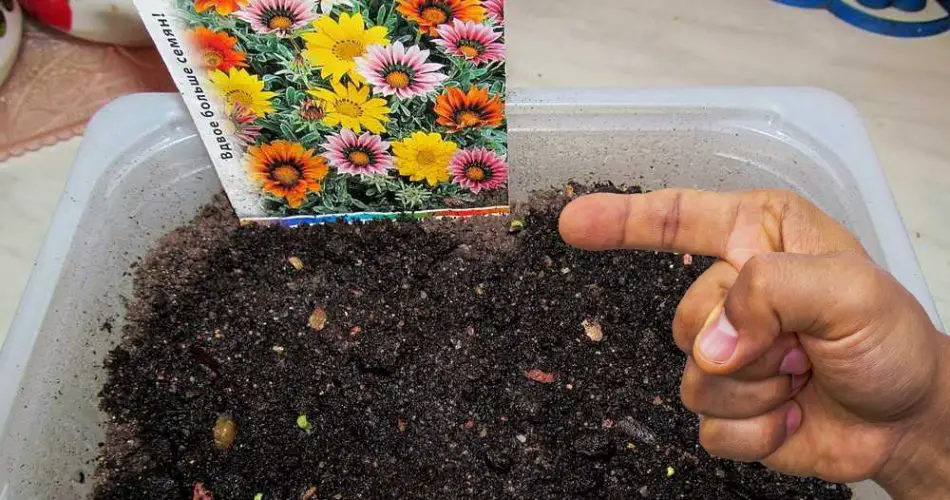
- Sow Seeds: Scatter the aster seeds evenly in rows across the soil surface. Lightly sprinkle with additional soil and water thoroughly.
- Create Ideal Conditions:
- Cover and Place: Cover the container with film to retain moisture and place it in a location with bright sunlight.
- Rotate Seedlings: Ensure even growth by rotating the container every 2-3 days to provide uniform light exposure.
- Transplanting Seedlings:
- First Leaves Appearance: Once the seedlings have their first leaves, it’s time to transplant them into another container.
- Root Care: During transplantation, cut the roots of the asters and plant them deeply in newly prepared holes made with a stick.
- Ongoing Care:
- Watering and Soil Maintenance: Water the seedlings thoroughly and gently loosen the soil around them to ensure proper growth.
- Acclimation: Gradually acclimate the seedlings to temperature changes by moving them to a cooler environment as their leaves harden.
Tips for Successful Aster Seedling Care
- Monitor Growth: Regularly check the growth progress of your seedlings and adjust care as needed to maintain healthy development.
- Avoid Overcrowding: Ensure adequate spacing between seedlings to promote strong growth and prevent overcrowding.
- Prepare for Transplanting: Be ready to transplant your asters into the garden once they have established strong roots and are accustomed to varying temperatures.
Conclusion
By following these sowing methods and providing the right care, you’ll cultivate beautiful asters that will bloom vibrantly throughout the summer. With proper timing, careful transplantation, and ongoing maintenance, you can enjoy a stunning display of aster flowers in your garden. Happy gardening!