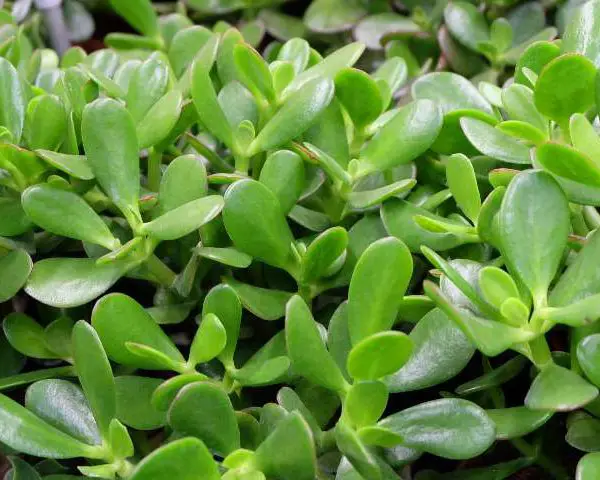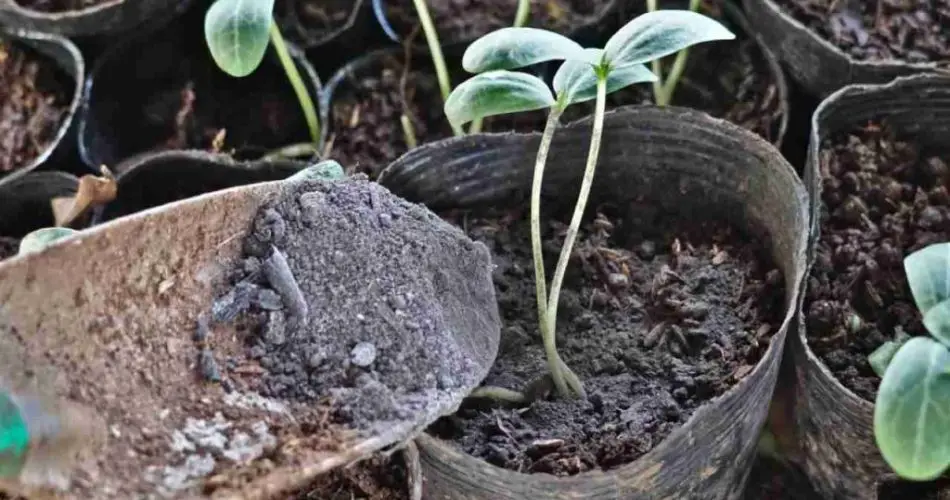
Using ash as a fertilizer for your plants can indeed provide several benefits due to its nutrient-rich composition.

Here’s why ash is beneficial for your plants:
- Rich in Nutrients: Ash contains potassium, phosphorus, calcium, and other minerals that are essential for plant growth and health. When applied to the soil, these nutrients are gradually released, providing a steady supply to the plants.
- Improves Plant Nutrition: The nutrients present in ash help to improve the overall nutrition of the plants, promoting healthy growth and development. This can result in stronger stems, greener leaves, and better fruit or flower production.
- Increases Disease Resistance: Ash can enhance the plant’s natural defenses against diseases and viruses. By boosting the plant’s immune system, it becomes more resilient to common pathogens, reducing the risk of infections and diseases.
- Acts as a Natural Pesticide: Ash has pesticidal properties that can deter pests and insects from infesting your plants. It creates an inhospitable environment for pests, helping to keep them at bay without the need for harsh chemical pesticides.
However, there are a few considerations to keep in mind when using ash as a fertilizer:
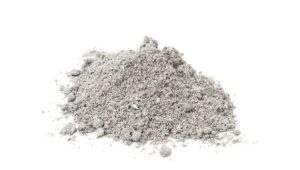
- pH Testing: Ash is alkaline in nature, so it’s essential to test the pH of your soil before applying it. If the soil pH is already high, adding ash can further increase it, which may not be suitable for certain plants. Adjust the pH as needed to ensure optimal growing conditions.
- Use Untreated Wood Ash: It’s important to use ash from untreated wood sources. Ash from treated wood or materials may contain harmful chemicals or toxins that can be detrimental to plant health.
By using ash responsibly and considering these factors, you can harness its benefits to nurture your plants and promote their well-being.
Show Comments