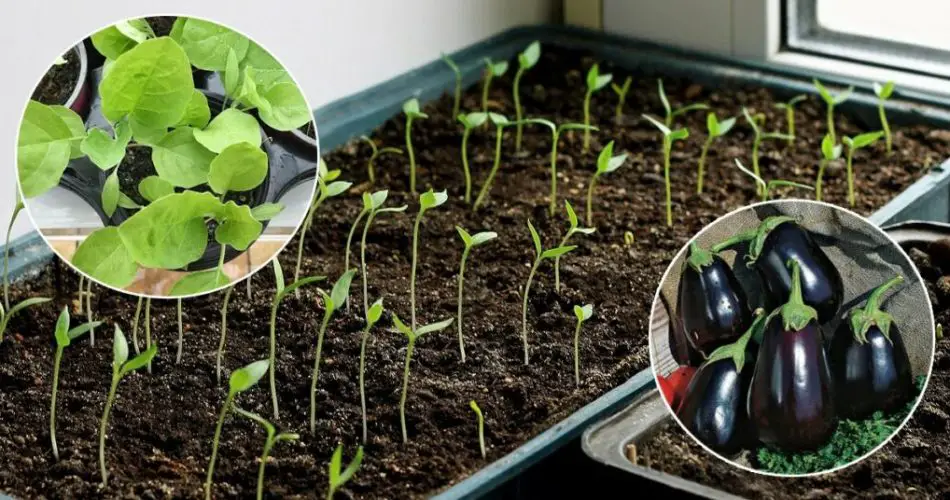
In early January, gardeners start sowing eggplants for seedlings, setting the stage for a successful growing season. This vegetable, known for its demanding nature, requires careful attention and the right approach for optimal results. Here’s a guide to ensure you sow your eggplant seeds correctly.
When to Sow Eggplant Seeds
For the best results, it’s crucial to choose the right time for sowing. Based on lunar calendar recommendations, ideal sowing periods for eggplant seeds are January 14-15, 18-20, and 23-24.
Preparing the Seeds
- Seed Disinfection: Start by disinfecting the seeds to prevent any potential diseases. Immerse the seeds in a one percent solution of potassium permanganate for a few minutes. After disinfection, rinse the seeds thoroughly with water and let them dry completely.
- Stimulating Growth: To enhance seed growth, soak them in aloe juice for several hours before sowing. Aloe juice acts as a natural growth stimulant, promoting better seed development.
Sowing the Seeds
- Planting Depth: Sow the prepared seeds in the soil at a depth of about 0.5 millimeters. This ensures that the seeds are properly covered without being too deep.
- Creating the Right Environment: After sowing, cover the seed tray with a film to retain moisture and warmth. Place the tray in a warm location where the temperature is consistently around +28°C. This warm environment is crucial for successful germination.
By following these steps, you’ll give your eggplant seeds the best chance of thriving. Proper timing, seed preparation, and environmental conditions are key to growing healthy and productive seedlings.
Show Comments