Finding snakes in your garden or vegetable patch can be unsettling. Whether they’re harmless or venomous, their presence can cause fear and anxiety. However, with the right precautions, you can prevent them from becoming a problem and enjoy your outdoor space worry-free.
Why Snakes Enter Gardens and How to Identify Them
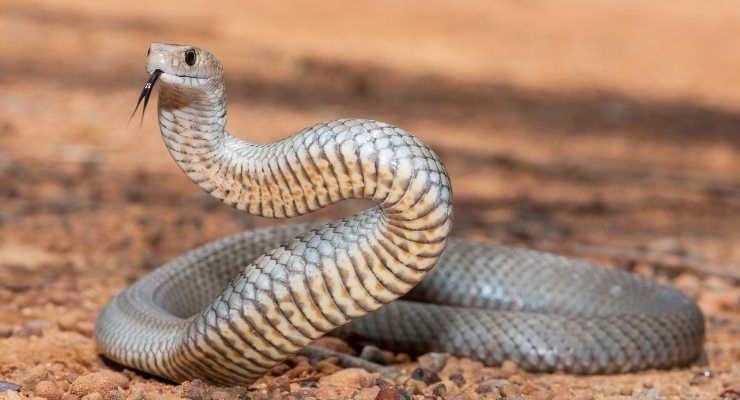
Snakes often enter gardens and vegetable patches searching for food or shelter. Most of the time, these are non-venomous snakes that are harmless to humans. However, in some areas, you may encounter poisonous species, which can pose a danger.
It’s important to research the types of snakes commonly found in your area. Learning to identify them—especially the differences between venomous and harmless species—can help you stay calm if you encounter one.
Key Factors That Attract Snakes
Snakes are often drawn to gardens and vegetable patches because of:
- Shelter: Piles of leaves, rocks, or wood make ideal hiding spots.
- Food Sources: The presence of insects, rodents, or other small animals can attract snakes.
- Neglected Areas: Overgrown grass or untidy vegetation provides cover for snakes.
By addressing these factors, you can significantly reduce the chances of snakes entering your space.
How to Prevent Snakes from Entering Your Garden
1. Maintain a Clean and Tidy Space
- Keep your garden or vegetable patch free of debris such as leaves, wood piles, and rocks.
- Regularly cut the grass and trim plants to eliminate hiding spots.
- Ensure compost bins and garbage are tightly sealed to avoid attracting rodents, a favorite prey for snakes.
2. Create a Physical Barrier
Install a snake-proof fence around your garden or vegetable patch. Use materials like fine mesh, wire mesh, or thin panels.
- The fence should be buried several inches into the ground to prevent snakes from digging underneath.
- Ensure the mesh holes are small enough to block even smaller snakes.
3. Use Natural Repellents
Natural repellents can help deter snakes without harming them or the environment.
- Look for non-toxic repellents that are safe for pets and humans.
- Apply them around the perimeter of your garden or near areas where snakes are likely to enter.
4. Stay Calm if You Encounter a Snake
If you spot a snake:
- Stay calm and avoid sudden movements.
- Slowly move away while maintaining a safe distance.
- Never attempt to touch or kill the snake, as this could provoke it and endanger you.
The Importance of Snakes in the Ecosystem
While it’s natural to feel uneasy about snakes, remember that they play a crucial role in maintaining the balance of the ecosystem. Snakes help control populations of pests like insects and rodents, making them valuable allies in your garden.
Instead of harming them, focus on peaceful coexistence by keeping them out of your space using the methods above.
When to Call an Expert
If you’re concerned about venomous snakes or are unsure how to handle the situation, it’s best to contact a professional wildlife removal expert. They can safely remove the snake without causing harm to you or the animal.
By taking these steps, you can protect your garden while respecting the role of snakes in nature. A clean, well-maintained outdoor space is the best defense against unwanted visitors!