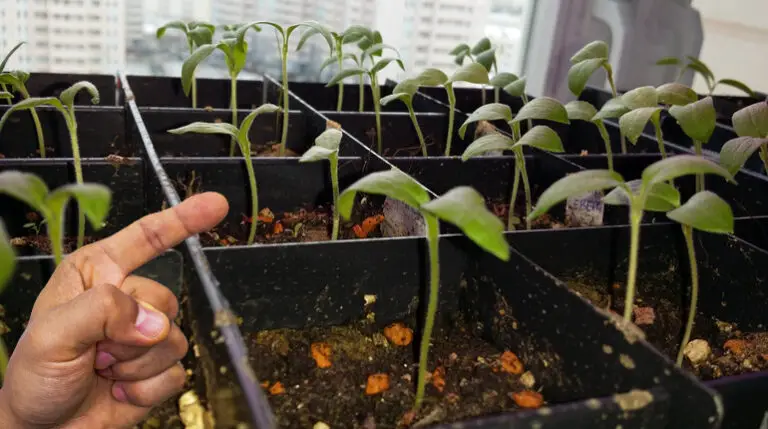
Every gardener faces the challenge of elongated seedlings, which can hinder crop production and harm the plants themselves.
Understanding the Problem
Spring is a crucial season for gardeners, especially as the end of March marks the time to sow seedlings in preparation for planting them in the soil. However, many encounter the issue of elongated seedlings, negatively impacting productivity and risking plant survival during transplantation.
Why Is Elongation Dangerous?
Elongated seedlings can be long and thin, making them weak and less capable of producing a good harvest—or, in some cases, leading to their death. The primary causes of this issue include:
- Insufficient Watering
- Incorrect Timing for Planting
- Insufficient Light
- High Temperatures
- Excess Fertilizers
To avoid these risks, it’s essential to ensure the health of the seedlings for a successful harvest.
Simple Solutions for Elongated Seedlings
If your seedlings are stretching, there are straightforward steps to rectify the situation and prepare them for timely planting:
- Lower the Temperature: Reduce by 5-7°C.
- Reduce Water and Fertilizer: Cut back on both to prevent further elongation.
- Increase Daylight Hours: Use special lamps to extend light exposure.
- Transplant into Separate Containers: This helps strengthen each plant individually.
If conditions allow, consider planting the seedlings directly into the soil to minimize extra work and enhance the chances of a successful harvest.
Preventing Seedling Elongation
Preventing the problem of elongated seedlings is always preferable to addressing it later. Here are effective methods to avert this issue:
- Optimize Growing Conditions:
- Ensure sufficient lighting.
- Increase the distance between plants.
- Avoid unnecessary watering.
- Adjust Sowing Timing: Instead of sowing at the end of winter, plant in spring. This allows seedlings to strengthen before being placed in the soil.
- Utilize Growth Regulators: Some gardeners apply growth regulators to promote strong, healthy seedlings, even if they’ve begun to stretch. These products help suppress excessive growth while strengthening the stem and roots.
By implementing these strategies, you can maintain robust seedlings and achieve a fruitful harvest!