Roses are renowned for their beauty and enchanting fragrance, but to ensure they bloom at their full potential, proper pruning is essential. This critical procedure helps maintain the health and aesthetics of your rose plants. Here’s a master class on how to prune roses effectively, covering timing, technique, and tools.
1. Choosing the Right Weather for Pruning
Weather conditions play a crucial role in the success of your pruning:
- Dry and Sunny Days: Aim to perform pruning on a dry and sunny day with no precipitation. Wet conditions can increase the risk of diseases and make pruning more challenging.
- Impact on Plant Health: Proper weather conditions help ensure that the cuts heal quickly and reduce the chance of fungal infections.
2. Sanitary Pruning: Cleaning Up the Bush
Begin your pruning process with sanitary pruning to improve the overall health of your rose bush:
- Remove Diseased and Dead Branches: Start by cutting away any dry, diseased, or weak branches. This step helps prevent the spread of diseases to healthy parts of the plant and enhances its overall appearance.
- Open Up the Bush: Removing unhealthy growth allows for better air circulation and sunlight penetration, which are vital for a healthy rose plant.
3. Formative Pruning: Shaping the Rose
After the initial cleanup, proceed to formative pruning to shape the rose bush and promote vigorous growth:
- Cut at an Angle: When pruning, cut branches at a 45° angle a few millimeters above a bud. This angle helps the plant heal more effectively and encourages new growth.
- Ensure Clean Cuts: Aim for a clean cut, which is a positive sign for the plant’s recovery. If you see brown spots, cut back to a healthy part of the branch to avoid spreading disease.
4. Timing: When to Prune Roses
Timing is crucial for effective pruning:
- Best Time: The ideal time to prune roses is late March to early April, when buds have swelled but are not yet actively growing. This timing encourages healthy growth and blooms.
- Regional Variations: Adjust pruning times based on your climate. In colder regions, delay pruning until after the last expected frost to prevent damage to the plants.
5. Tools and Techniques
Using the right tools and techniques ensures a clean, effective pruning process:
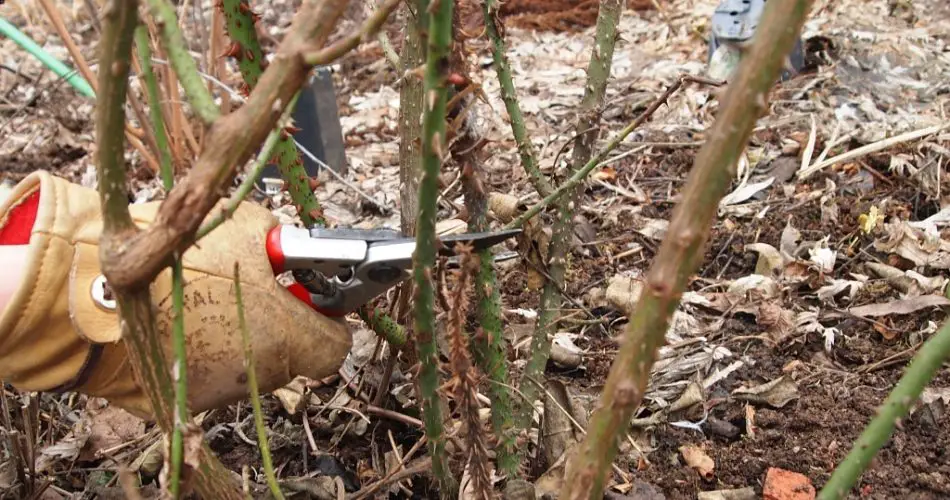
- Sharp and Clean Secateurs: Always use sharp and clean secateurs for pruning. Dull or dirty tools can cause damage to the plant and increase the risk of infection.
- Technique: Make precise cuts and avoid tearing the branches, as clean cuts promote better healing and growth.
Conclusion
Proper rose pruning is a blend of timing, technique, and tools. By following these tips—choosing the right weather, performing sanitary and formative pruning, and using the appropriate tools—you can ensure that your roses remain healthy and bloom beautifully. Regular pruning not only enhances the aesthetics of your rose bush but also contributes to its overall vitality and longevity. Enjoy the rewards of a well-pruned rose garden with stunning blooms and a healthier plant!