Pruning raspberries correctly is crucial for ensuring robust growth and a bountiful harvest. Gardeners often debate whether to prune raspberries in the fall or spring. In this article, we’ll focus on why spring is generally the best time to prune raspberries and how to do it effectively to promote healthy plants and maximize berry production.
When to Prune Raspberries in Spring
The ideal time for spring pruning of raspberries is typically from March to early April. Here’s why:
- Timing: Prune when the snow has completely melted, but before the ground has fully warmed up. This period ensures that the raspberries are still dormant but ready to wake up for the growing season.
- Sanitary Pruning: Spring pruning helps maintain the health of the raspberry bushes by removing damaged parts and preparing them for vigorous growth.
How to Properly Prune Raspberries in Spring
Spring pruning involves several key steps to ensure healthy growth and a plentiful harvest:
1. Removal of Damaged Branches
- Cut Out Damaged Shoots: Remove all damaged, dry, frozen, or weakened branches. This helps prevent diseases and pests from spreading and allows the plant to focus energy on healthy growth.
2. Shortening of Healthy Branches
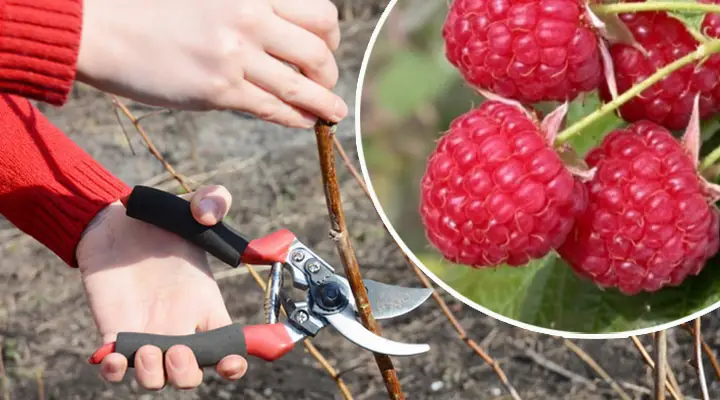
- Trim Healthy Shoots: Shorten the remaining healthy branches to the first healthy bud. This encourages the growth of new buds that will develop into fertile shoots, leading to a higher yield.
3. Thinning of Planting
- Optimal Shoot Count: Keep no more than 15-20 strong shoots per linear meter of row. Removing excess shoots prevents the raspberry bush from becoming too dense and ensures each plant receives adequate nutrients and light.
Extending the Raspberry Fruiting Period
For those looking to extend the raspberry harvest throughout the summer:
- Segmented Pruning:
- Cut One-Third: Trim a third of the bushes down to 10-15 cm.
- Cut Another Third: Reduce the height of the next third by half.
- Cut Remaining Branches: Leave 15-20 cm long shoots on the remaining bushes.
This method staggers the fruiting period, giving you a longer harvest season.
Pruning Remontant Raspberries in Spring
Remontant raspberries (which bear fruit more than once a year) require specific pruning techniques depending on whether you want a single or double crop:
1. For One Crop Per Season
- Remove All Branches: Cut all branches down to the ground, leaving no stumps. This method prepares the plant to produce a new set of shoots for the next season.
2. For Two Crops Per Season
- Remove Fruited Branches: Remove branches that have already borne fruit (they will be brown). Also, clear out any young growth near the roots.
- Shorten One-Year Shoots: Cut back one-year-old shoots by 15-25 cm to stimulate new growth and enhance the yield of the next crop.
Conclusion
Proper spring pruning of raspberries is essential for promoting healthy plants and ensuring a productive harvest. By removing damaged branches, shortening healthy shoots, and thinning the planting, you can boost your raspberry plants’ growth and fruit yield. For remontant raspberries, adjust your pruning strategy based on whether you want a single or double crop. Following these guidelines will help you enjoy a thriving raspberry patch with an abundant supply of berries all summer long.