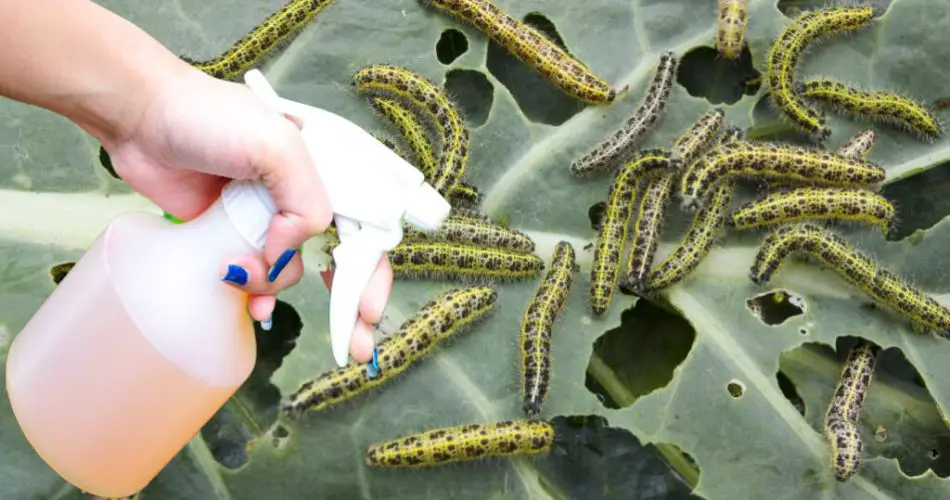
Cabbage, with its juicy green leaves, is a favorite target for harmful caterpillars. These small pests can devastate your crop in just a few days, leaving behind a trail of holes in the leaves and cobs. It’s crucial to tackle these pests promptly to save your harvest.
1. Manual Collection
One of the simplest and most effective methods is hand-picking caterpillars. Regularly check your cabbage plants and collect any eggs or caterpillars you find. Place them in a container and dispose of them to protect your crop.
2. Homemade Remedies
If daily collection isn’t feasible, consider using homemade solutions. Here are some effective recipes:
- Onion Infusion: Fill a third of a 3-liter jar with onion husks, add 2 liters of water, and let it steep for 1.5 to 2 days. Strain, adjust the volume to 4 liters, and add 25 g of soap.
- Tobacco Leaf Infusion: Grind 400 g of dry tobacco leaves into a powder and mix with 10 liters of water. Let it infuse for two days, then strain and dilute with water in a 1:1 ratio.
- Tomato Tops Decoction: Boil 4 kg of fresh or 2 kg of dried tomato tops in 10 liters of water for 30 minutes. Cool, strain, and dilute with water in a 1:3 ratio.
- Yarrow Infusion: Pour 800 g of yarrow stems, leaves, and flowers with hot water and let it steep for 30 minutes. Increase the volume to 10 liters and let it infuse for an additional 4 days.
- Hot Pepper Decoction: Grind 100 g of fresh or 50 g of dry hot pepper pods, pour with 1 liter of hot water, boil for 30 minutes, and let it steep for two days. Strain and dilute to 10 liters.
3. Add Soap for Better Coverage
Before using any of these infusions (except the onion), add 40 g of soap to help evenly distribute the mixture on the leaves and extend its effectiveness.
By using these eco-friendly methods, you can effectively eliminate caterpillars from your cabbage without resorting to harsh chemicals. Protect your crop and enjoy healthy, thriving cabbage plants!