When it comes to winter care for roses, gardeners employ various methods depending on the rose variety and local climate. Some opt for simple mulching, while others use more elaborate techniques to protect these beloved flowers. Here’s a comprehensive guide on how to cover roses effectively and which types can withstand winter without shelter.
Types of Roses That Can Remain Uncovered: Certain roses like park roses, species roses, rose hips (e.g., nitida, glauca, wrinkled), hybrids (e.g., alba, rugosa, spinozissima), and hardy varieties such as ‘Hansa’, “Scabrosa”, “John Davis”, “Snow Pavement”, and “Jens Munch” can endure winter conditions without cover. Simply mulch their base with a 15-20 cm layer of peat or compost.
When to Cover Roses: Cover roses when night temperatures consistently drop to -5°C, typically in late October or mid-November. Before covering, treat them with fungicide to prevent diseases.
Methods for Covering Different Rose Types:
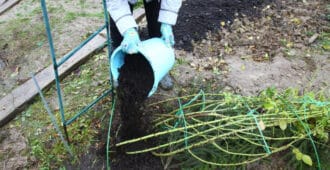
- Bush Roses: Either mound soil around the base or wrap with mulch, topped with dry leaves or spruce branches.
- Climbing Roses: Prune before winter, remove leaves, and carefully shelter to protect long stems.
- Floribunda Roses: Prune before covering with soil or peat.
- Standard Roses: Shelter without pruning.
- Ground Cover Roses: Generally, they don’t need cover but can benefit from spruce branches for frost protection.
- Rose Cuttings: Provide special shelter with covering material and film, removable in spring after snow melts.
By following these tailored methods and tips, you can effectively prepare your roses for winter, ensuring they retain their beauty and health come springtime. Each approach is designed to safeguard your roses through the cold season, promoting vibrant blooms year after year.