A high yield of potatoes relies heavily on how well the gardener prepares the tubers for planting. One of the most crucial stages in this preparation is sprouting. This process is essential, as without it, you might not enjoy a fresh harvest. There are three methods of germination, each with unique characteristics.
The Importance of Preparing Potato Tubers
Before planting, it’s vital to prepare the tubers to initiate the sprouting process, which ultimately leads to a good harvest. Potatoes with properly formed sprouts can absorb essential nutrients from the soil, a key factor in achieving high yields. Additionally, during the preparation, you can sort the tubers to eliminate damaged, diseased, or low-yielding specimens, ensuring successful planting and quality harvests.
Methods of Tuber Preparation for Planting
1. Dry Method of Germinating Sprouts
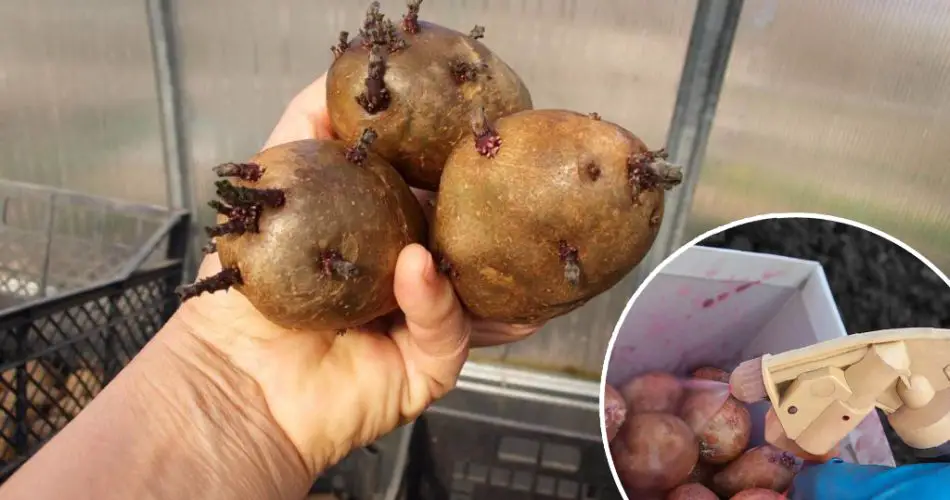
The dry method for germinating potato sprouts takes about a month. For success, place the tubers in boxes in a well-ventilated and well-lit area. Insufficient light can lead to weak sprouts, as light is crucial for forming solanine, which gives the tubers their green hue. If the seedlings turn green, they are unsuitable for eating but perfect for planting. During this period, rotate the tubers towards the light several times, maintaining a room temperature of around +20 degrees. This method results in robust planting material that resists external influences and deters rodents.
2. Wet Method of Germinating Potatoes
The wet method involves placing tubers in a dark space on wet sawdust or humus. Under these conditions, not only do sprouts emerge, but also root rudiments. This process lasts about 18 days. Experts suggest combining the wet and dry methods: first expose the tubers to sunlight to encourage sprout formation, then transfer them to a moist substrate. During this phase, you can spray the substrate with water mixed with a growth activator or potassium.
3. Hot Method of Sprouting Potatoes
To effectively germinate potatoes using the hot method, warm the tubers for 4 days prior to planting. This technique helps mitigate stress from sudden temperature changes and stimulates sprout awakening and growth. If the planting material is stored in a cooler environment, move it to a warmer area at around +20 degrees. During germination, consider using growth stimulants. This straightforward and effective method works well in all regions.
Remember, proper preparation of seed potatoes is the key to successfully growing a delicious and healthy crop in your garden!