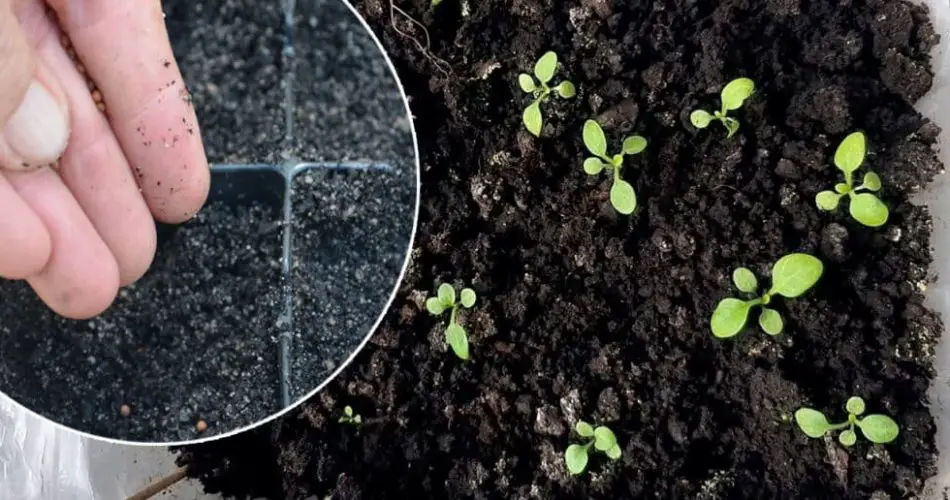
As the start of the planting season approaches, February is the perfect time to begin preparing your seedlings and soil for a successful garden. By planning and sowing the right vegetables now, you can ensure a bountiful harvest come summer. Here’s a guide on what to sow for seedlings in February to get ahead in the growing season.
Vegetables to Sow in February
- First Week:
- Celery Root: Start sowing celery root seeds early to give them a head start. Celery requires a long growing period, so early sowing is crucial for a successful crop.
- Second Week:
- Nightshades: This week is ideal for sowing tomatoes, peppers, and eggplants. These warm-season crops need a longer growing season, so starting them now will help them mature in time for planting outdoors.
- Third Week:
- Chard: Sow chard seeds for a nutrient-rich leafy green that thrives in cooler weather.
- Parsley: Parsley seeds can be sown now for a versatile herb that will add flavor to your dishes.
- Basil: Start basil seeds for a fragrant herb that loves the warmth of summer.
- Early Cucumbers: If you’re eager to enjoy cucumbers early in the season, now is the time to start sowing them.
What to Sow in March
- Beginning of the Month:
- Tomatoes and Peppers: Continue sowing tomatoes and peppers to ensure you have a strong supply of these essential summer vegetables.
- White Cabbage: Start sowing white cabbage seeds for a hardy vegetable that can be used in a variety of recipes.
- First Half of April:
- Other Vegetable Crops: Begin sowing additional vegetable crops that will be ready for planting later in the season.
- Herbs and Greens: Sow lemon balm, basil, and various lettuces to expand your garden’s herb and leafy green offerings.
- Mid-March:
- Pumpkins and Squash: Start sowing pumpkins and squash to give these warm-weather vegetables plenty of time to grow.
- Outdoor Cucumbers and Squash: Prepare for outdoor cucumbers and squash by starting seeds now, ensuring they will be ready for transplanting when the weather warms up.
Getting Ready for Planting
With this schedule, you can effectively prepare your seedlings and soil, setting the stage for a successful planting season. Make sure to:
- Prepare Containers: Use clean, well-drained containers or seed trays for sowing.
- Check Soil Conditions: Ensure your soil or seed starting mix is moist and fertile for optimal seed growth.
- Provide Adequate Light: Place your seedlings in a location with plenty of natural light or use grow lights to support healthy growth.
By following this sowing schedule, you’ll be well-prepared to plant and enjoy a thriving garden with fresh, home-grown vegetables. Happy gardening!