Orchid SOS: A Guide to Rescuing and Repotting a Dying Phalaenopsis Orchid
Witnessing your once-thriving Phalaenopsis orchid in distress can be disheartening, but fear not – there’s hope for a rescue mission! This guide offers practical steps to revive your struggling orchid through careful assessment, rescue measures, and a well-executed repotting process.
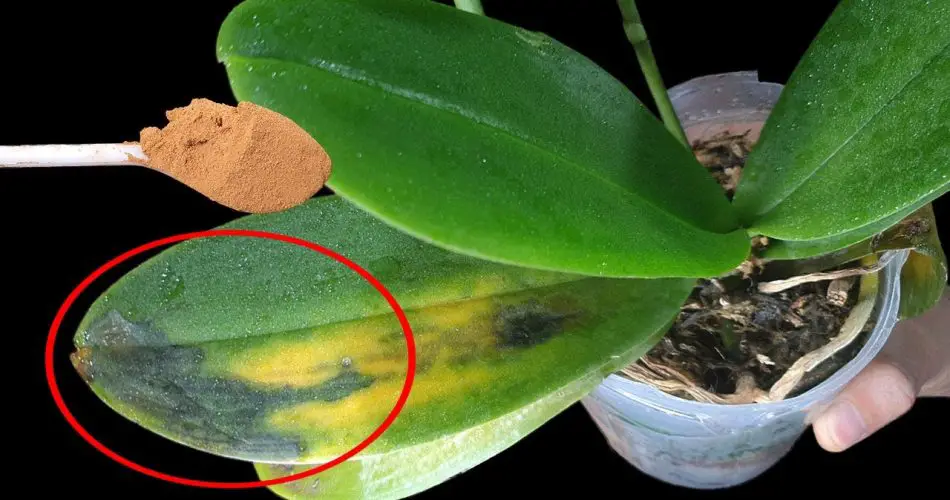
Assessing the Situation: The first step in rescuing a dying Phalaenopsis orchid is to carefully examine its condition. Look for signs of stress such as yellowing leaves, mushy roots, or a general lack of vigor. Identify potential causes like overwatering, underwatering, or root rot, as this knowledge will guide your rescue strategy.
Rescue Measures:
- Adjust Watering Routine: If overwatering is the culprit, allow the orchid’s growing medium to dry out before the next watering. Conversely, if underwatering is the issue, gradually increase the frequency of watering, ensuring the roots receive adequate moisture.
- Trimming Unhealthy Roots: Gently remove the orchid from its pot and inspect the roots. Trim any mushy, brown, or foul-smelling roots using sterile scissors. Healthy roots are typically green or white.
- Introduce Proper Light: Ensure your Phalaenopsis receives the appropriate amount of light. These orchids thrive in bright, indirect light but can suffer from too much direct sunlight.
- Check for Pests: Inspect the plant for pests like mealybugs or aphids. Treat any infestations promptly using a mild insecticide or a mixture of water and dish soap.
Repotting Process:
- Select a Suitable Potting Mix: Choose a well-draining orchid mix, or create a blend of bark, sphagnum moss, and perlite. Avoid using traditional potting soil.
- Prepare the New Pot: Select a clean pot with drainage holes that is slightly larger than the current one. Sterilize the pot to prevent the introduction of pathogens.
- Remove Old Medium: Gently remove the orchid from its current pot, shaking off the old medium. Take care not to damage the healthy roots.
- Repot with Care: Place the orchid in the center of the new pot, spreading the roots evenly. Fill the pot with the fresh potting mix, ensuring the base of the orchid is slightly elevated.
- Watering After Repotting: Water the orchid thoroughly after repotting, allowing excess water to drain away. Place the orchid in a shaded area for a few days to minimize stress.
Rescuing a dying Phalaenopsis orchid requires patience, observation, and a strategic approach. By assessing the plant’s condition, implementing rescue measures, and executing a careful repotting process, you can breathe new life into your beloved orchid. Remember, every orchid is unique, so closely monitor its response to the rescue efforts and make adjustments as needed. With the right care, your Phalaenopsis can transform from a struggling specimen to a thriving beauty once more.